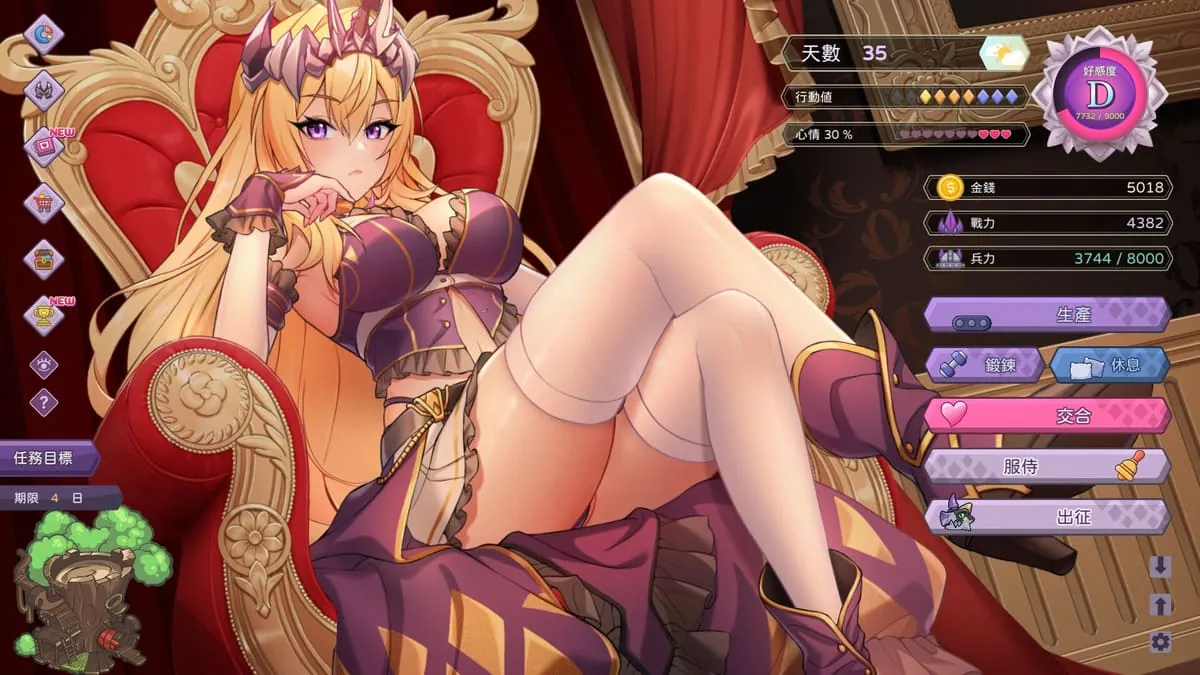
Second Chance
Play Second Chance
Second Chance Screenshots




Second Chance review
Explore the mechanics, gameplay features, and narrative depth of this adult-themed interactive experience
Second Chance stands out as an adult-themed interactive game that merges compelling storytelling with meaningful player-driven choices. This unique experience allows players to shape their narrative through decision-making, creating personalized storylines that reflect their preferences and values. Whether you’re new to interactive fiction or a seasoned player, understanding how Second Chance combines narrative depth with player agency reveals why it has gained attention in the gaming community. This guide explores the core mechanics, gameplay features, and what sets this interactive experience apart from traditional gaming formats.
Understanding Second Chance: Core Gameplay Mechanics
Ever hit replay on a story, just to see what would have happened if you’d said something different? 🤔 That itch, that burning curiosity about the road not taken, is the entire heartbeat of Second Chance. This isn’t a story you watch; it’s a story you build, one meaningful decision at a time. Welcome to the core of what makes this experience so captivating: a world where your voice is the author’s pen.
At its foundation, Second Chance is a masterclass in interactive storytelling. Every conversation, every silent glance you choose to hold, and every moment of vulnerability you decide to share or shield becomes a brick in the path your character walks. The game doesn’t just acknowledge your choices; it remembers them, weaves them into the narrative tapestry, and presents you with the consequences—both beautiful and brutal. This is the essence of a true choice-based narrative game.
So, how does it all work? Let’s pull back the curtain on the systems that make your journey uniquely yours.
How Player Choices Shape Your Story
Remember that quiet coffee shop encounter in the first act? You have a choice: be cautiously polite or crack a genuinely warm, flirty joke. In a static story, this might just be dialogue color. In Second Chance, this is you setting a foundational trait for your protagonist. That early joke might be remembered chapters later, referenced by a love interest with a smile, opening up a dialogue option that would have remained locked otherwise. 🗝️
This is the golden rule of Second Chance: nothing is trivial. The game employs a sophisticated player-driven choices mechanics system that tracks far more than just major plot crossroads. It monitors your:
* Consistency (or lack thereof): Are you playing a reformed soul or someone clinging to old habits?
* Relationship Values: Every interaction nudges your connection with other characters up or down on a hidden scale.
* Moral & Emotional Alignment: Are you guiding your character toward forgiveness, ambition, passion, or isolation?
The game doesn’t judge your path, but it reacts to it. Think of your playthrough as a unique fingerprint. The broad plot points might be similar for two players, but the emotional context, the rapport between characters, and the available options to resolve conflicts will be profoundly different. This is how player choices affect story on a moment-to-moment level, not just at the ending.
Pro Tip: Don’t overthink your first playthrough! Go with your gut. Your most authentic, instinctive choices will create the most coherent and personal story. You can always explore the alternatives later.
The Role of Interactive Decision-Making
The magic of Second Chance lies in the weight of its decisions. This isn’t about picking “Good, Evil, or Sarcastic” from a wheel. The game brilliantly integrates its interactive fiction mechanics into the flow of the narrative, making decisions feel organic, not like a multiple-choice test.
Decisions come in many forms:
* Overt Dialogue Choices: The clear forks in the road where you pick what to say.
* Internal Monologue Selections: These are crucial! They define how your character feels about a situation, which can subtly influence future attitudes and options.
* Action Prompts: Do you reach out and take someone’s hand, or do you pull away? These wordless choices often speak the loudest.
* Timed Responses: Some moments wait for no one. A hesitation can be as telling as a shouted reply.
The frequency of these choices is carefully balanced. You’re not bombarded with constant prompts, which would be exhausting. Instead, they are placed at key junctures of emotional or narrative pressure. This balance ensures that each decision feels significant and that the player-driven choices mechanics serve the story, not the other way around. You have tremendous player agency, but within a well-crafted narrative structure that ensures every path feels complete and purposeful.
Let me give you a personal insight. On my first run, I played a “people-pleaser,” always trying to smooth things over and avoid conflict. By the mid-game, I found certain characters began to take my kindness for granted, and I was locked out of more assertive, intimate resolutions. The game was reflecting the reality I had built: a protagonist who never stood their ground. It was a powerful, almost uncomfortable, mirror to hold up. 😳
Narrative Branching and Multiple Endings
This is where the architecture of Second Chance truly shines. Your story isn’t on rails with a few detours; it’s a sprawling tree, and you are the gardener deciding which branches to nurture and which to let wither. 🌳
The game’s narrative branching system is not a simple “Choice A leads to Path A” setup. It’s a cumulative, interwoven web. An early, seemingly small choice (like being honest about a past failure) might merge with a later decision (choosing to trust someone with a secret) to unlock an entirely unique story branch that wouldn’t be available if either choice was made differently.
This creates an incredible sense of a living world. Characters you’ve invested in will have their own arcs that change based on your interactions. A side character you consistently support might become a pivotal ally, while one you neglect might create an unforeseen obstacle. The interactive storytelling game weaves these threads together dynamically.
And of course, all these paths lead somewhere. The multiple endings gameplay of Second Chance is the direct culmination of every choice you’ve made. We’re not talking about a “good, bad, and secret” ending here. We’re talking about endings that reflect the specific, complex person you’ve shaped your protagonist to be.
- Did you rebuild burnt bridges, or build something new?
- Did you find romantic love, deep friendship, or solace in independence?
- Did your character find internal peace, or was their “second chance” about achieving external success?
Your ending will feel earned. It won’t be a surprise; it will be the logical, emotional conclusion to the story you told. This is the ultimate answer to “how do player choices affect story“—they determine its final, resonant note.
The replay value is, as you can imagine, enormous. Knowing how one story ends only fuels the desire to go back and explore the narrative branching system to see where another set of values might lead. It’s like being handed the same fascinating book, but discovering whole new chapters you never knew existed on a second read.
Key Decision Points and Their Ripple Effects
To illustrate the scope of the branching, here are a few examples of early-to-mid game decisions and how they can propagate through your story:
| Act & Decision Point | Immediate Consequence | Potential Long-Term Narrative Branch |
|---|---|---|
| The Job Interview (Act 1): Do you admit your past termination was due to a conflict with management, or do you fabricate a more neutral reason? | Immediate change in the interviewer’s perception and dialogue. | Can affect future professional trust, lead to blackmail if the truth is discovered, or unlock a subplot about confronting past professional rivals. |
| First Deep Talk (Act 2): When a love interest shares a personal fear, do you share a vulnerability of your own, or offer supportive but general advice? | Changes the immediate emotional intimacy of the scene. | Determines the “depth” level of that relationship. A shallow path may lead to a fling; a vulnerable path may unlock a deeply committed partner storyline and unique supportive scenes later during crises. |
| The Family Request (Act 2): A family member asks for a significant financial loan. Do you give it (at personal cost), refuse, or offer a compromise? | Affects your in-game resources and family dialogue. | Alters entire family dynamics for the rest of the game. Can lead to a supportive family subplot, a bitter estrangement, or a storyline about setting healthy boundaries that impacts your character’s confidence in other areas. |
Ultimately, Second Chance is more than a game; it’s a narrative instrument. The interactive fiction mechanics and profound player-driven choices mechanics give you the tools to compose a story that resonates with your own understanding of regret, hope, and human connection. Every playthrough is a new question: “Who will I be, given a Second Chance?” And the beautiful part is, the only person who can answer that is you. ✨ Your choices, your story, your legacy. Now, go see what your first chance will reveal.
Second Chance delivers a distinctive interactive experience that prioritizes player agency and narrative depth. By combining meaningful choice systems with character-driven storytelling, the game creates personalized narratives that reflect individual player decisions. The relationship mechanics and branching storylines ensure that each playthrough offers unique outcomes and discoveries. Whether you’re drawn to interactive fiction for its storytelling potential or its gameplay mechanics, Second Chance demonstrates how player choices can fundamentally shape the gaming experience. For those seeking an engaging narrative-driven game where your decisions genuinely matter, exploring the various paths and character relationships in Second Chance provides hours of compelling interactive entertainment.