Demons of the Hearth
Play Demons of the Hearth
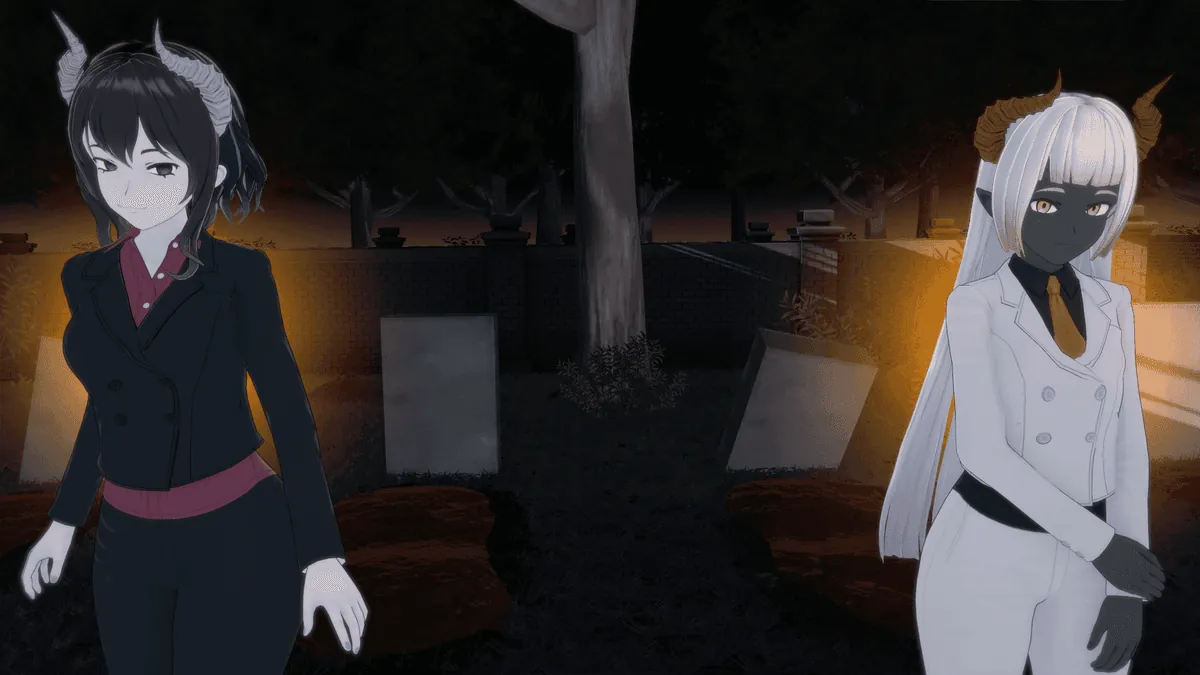
Demons of the Hearth Screenshots
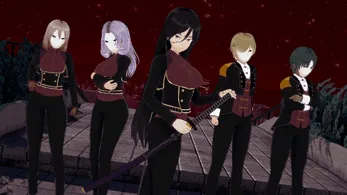

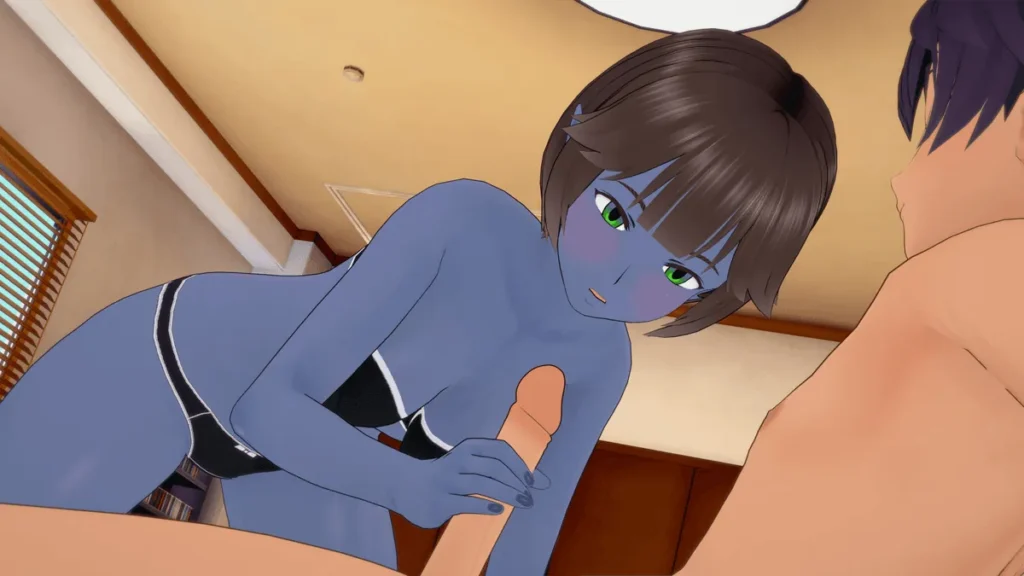
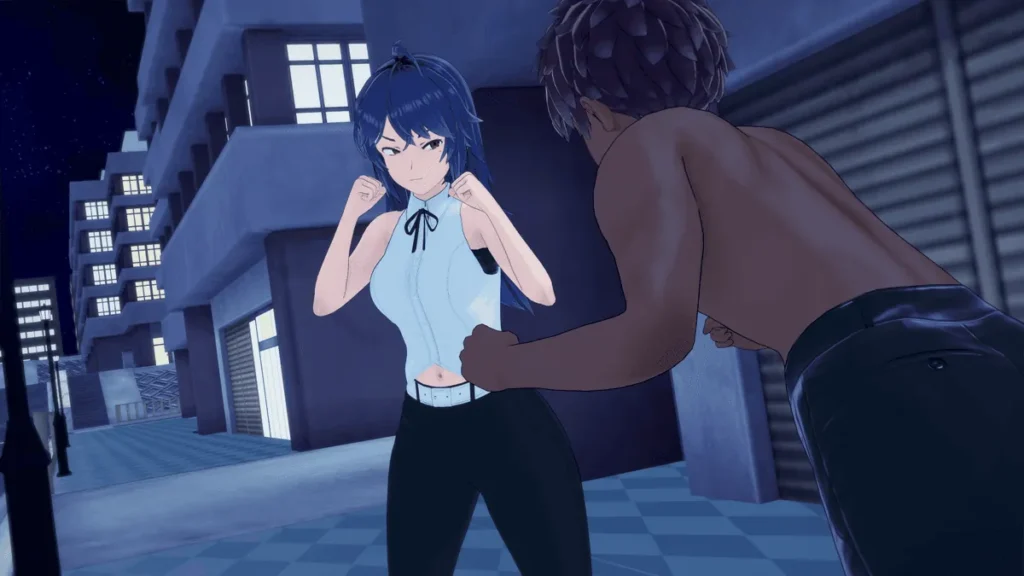
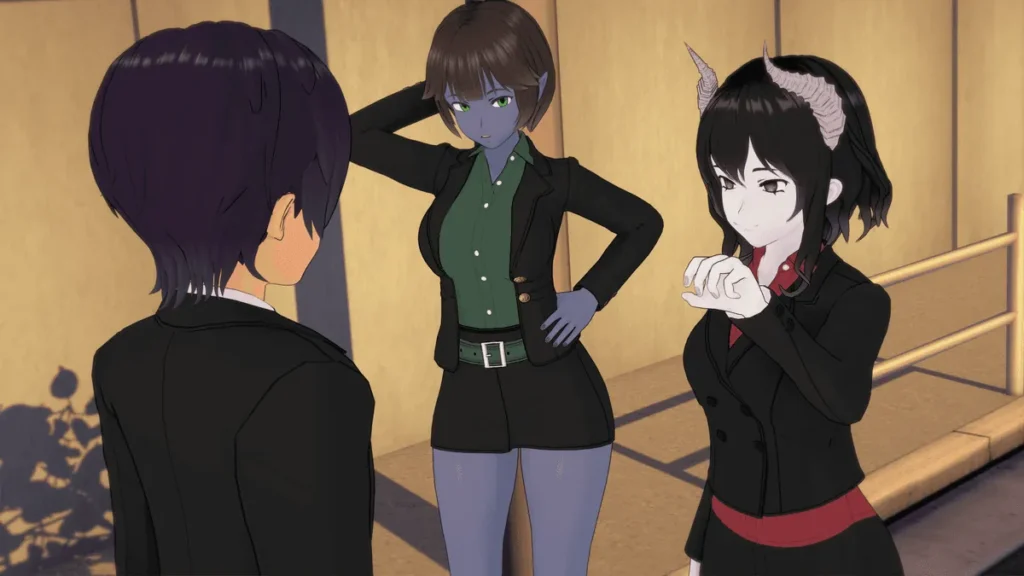
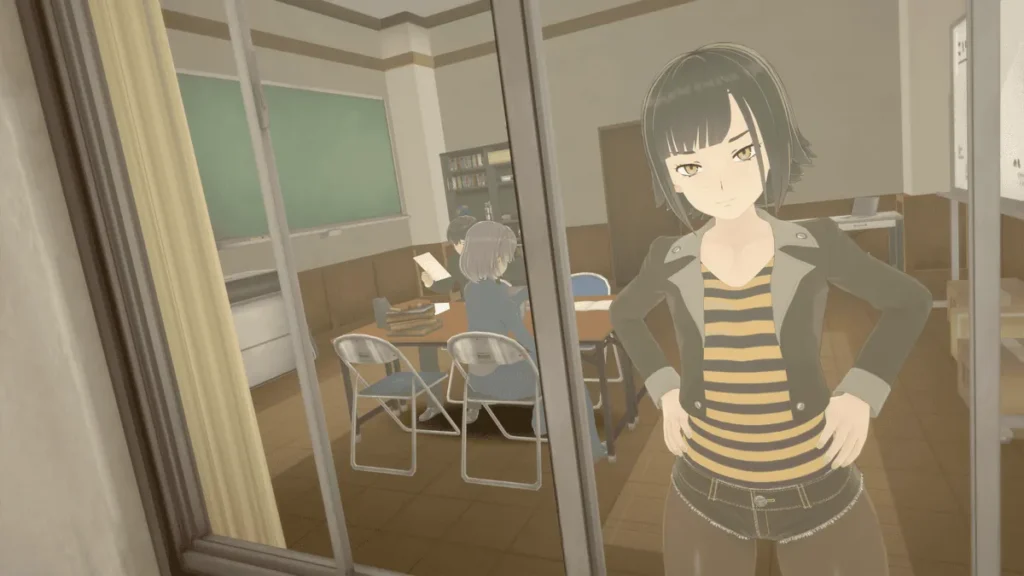

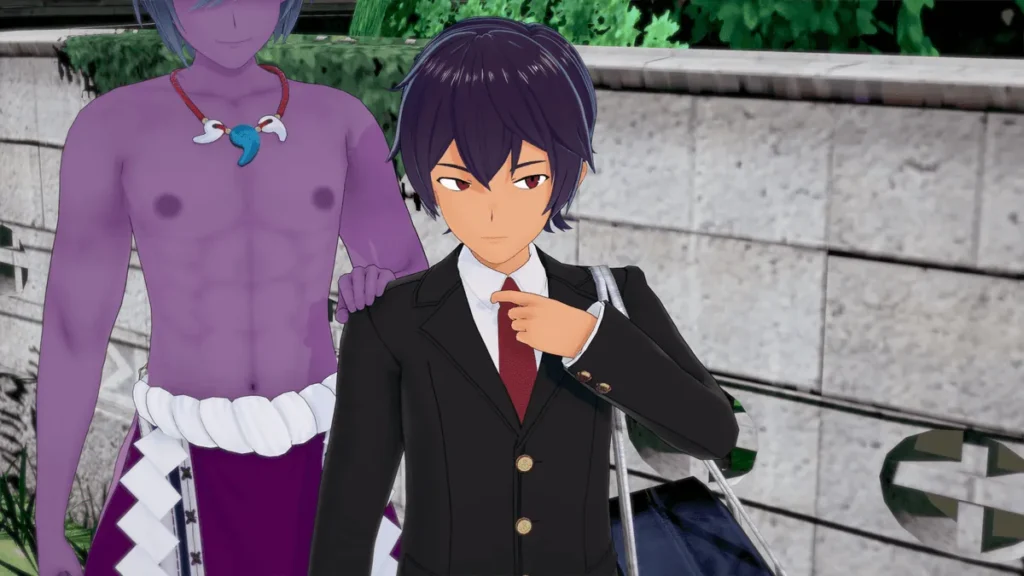
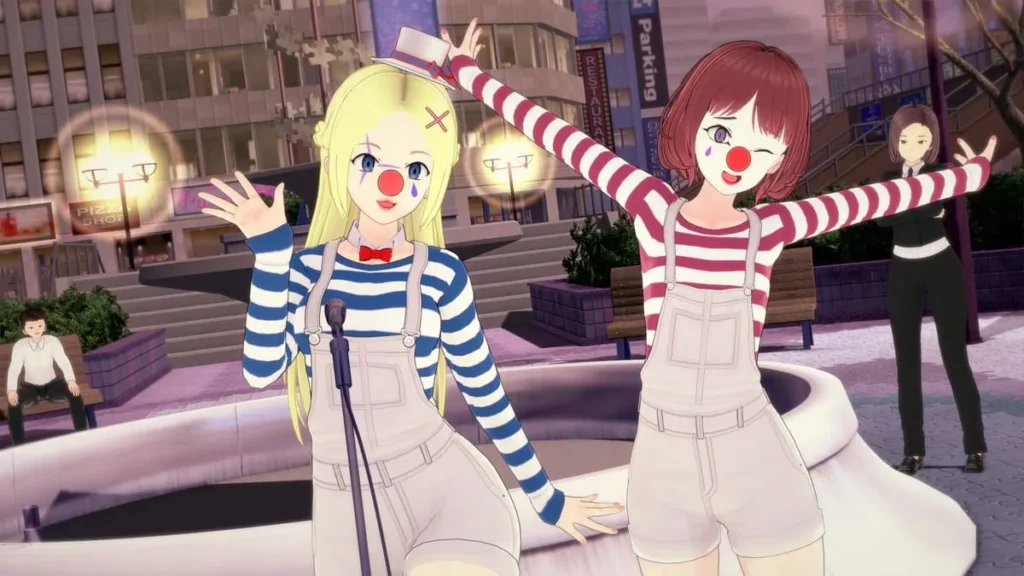
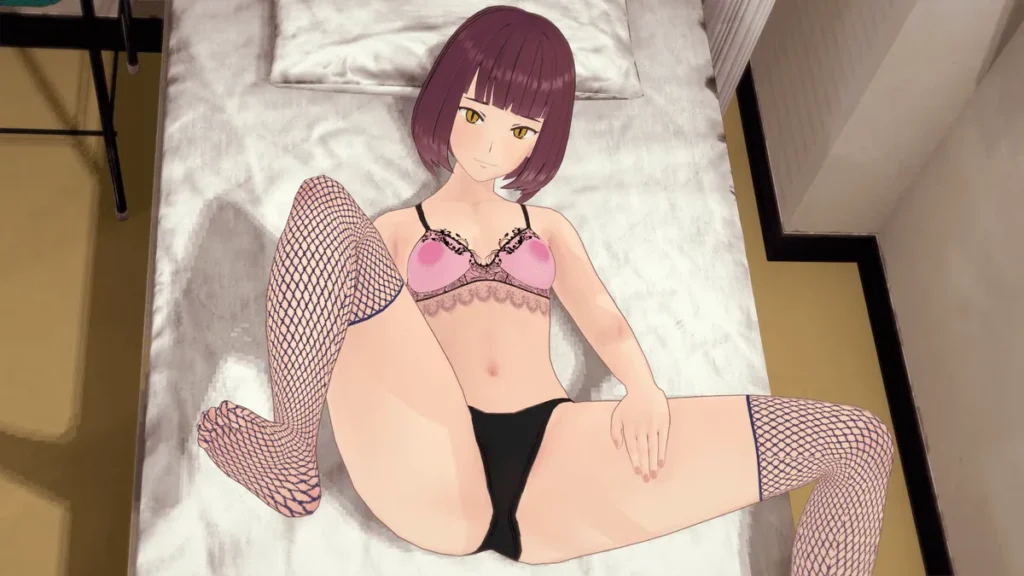
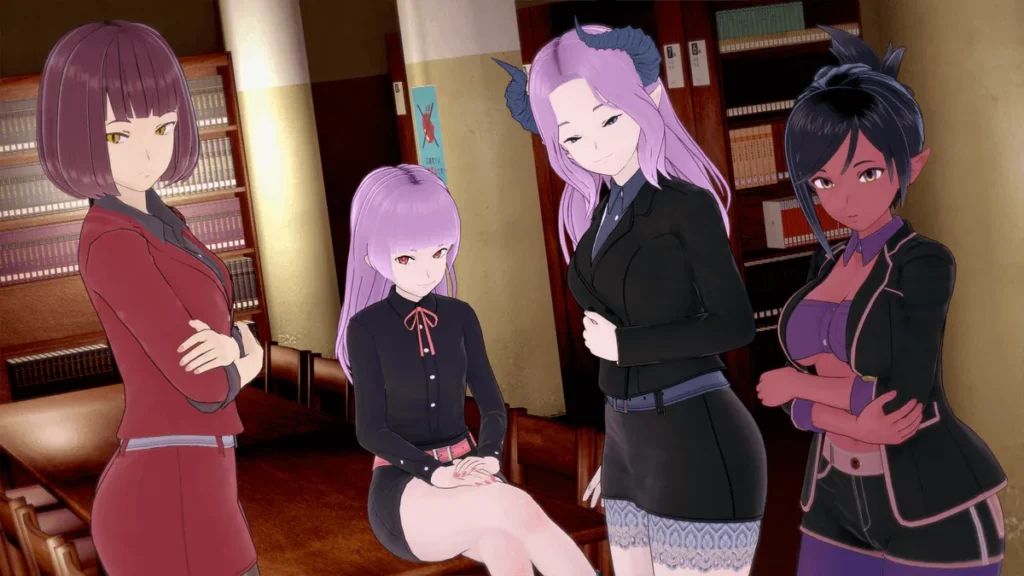
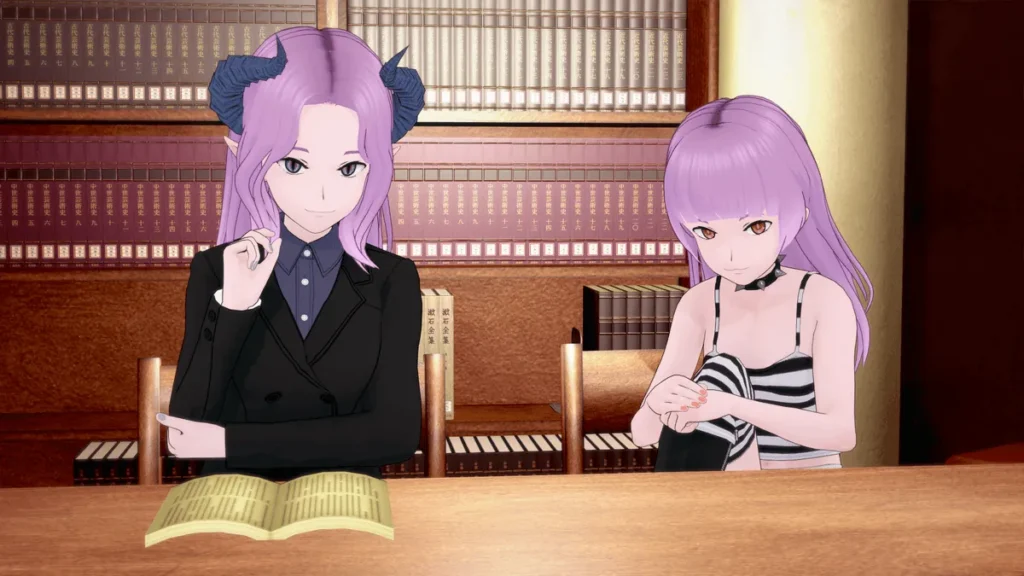
Demons of the Hearth review
A focused guide to the game, story, mechanics, and player tips
Demons of the Hearth is an adult visual novel that has attracted a dedicated following for its layered storytelling and character-driven events; this article dives into the game’s narrative, core mechanics, development background, and practical tips for new and returning players. The main keyword “Demons of the Hearth” appears right away because readers searching for background, walkthrough advice, or an appraisal of the game want a single resource that covers story beats, how to trigger scenes, choice consequences, and the developer’s update cadence. I’ll blend close observations from playing the game with examples drawn from community feedback to give actionable guidance and personal insights.
Story and Setting: What Makes Demons of the Hearth Compelling
So, you’ve downloaded Demons of the Hearth, maybe expecting one kind of experience, and you find yourself pulled into something entirely different. 🤔 That’s the magic of this game. It’s not just a series of encounters; it’s a living, breathing, and often heartbreaking story about people trapped by their pasts and a curse that’s as metaphorical as it is literal. The Demons of the Hearth story grabs you not with shock, but with a slow, insistent pull into the lives of its characters. Let’s dive into what makes its narrative and setting so uniquely compelling.
Premise and Worldbuilding 🏡
At its core, Demons of the Hearth is a masterclass in atmospheric visual novel worldbuilding. You arrive in a secluded, perpetually autumnal village, taking on the role of a wandering tinkerer with a hidden, mystical talent. Your task isn’t to conquer or save the world in a grand sense—it’s to save a single, cursed household. The “Hearth” itself is both a place and a prison, a cozy home warped by a supernatural malaise that manifests the residents’ deepest regrets and shames as physical, haunting phenomena.
This is where the game’s brilliance shines. The worldbuilding is intimate. You learn about the village’s history, its forgotten traditions, and the weight of its secrets through:
* Environmental storytelling: Notes left in drawers, changes in the house’s decor as you cleanse rooms, and the wary gossip of the few village locals.
* Character-led exposition: Each resident has a fragmented, personal view of the tragedy, forcing you, the player, to piece together the true story like a detective of the soul.
* The Hearth as a character: The house itself reacts. Lights flicker with emotion, cold spots form around areas of trauma, and repaired objects might subtly decay again if the underlying emotional wound isn’t addressed.
The tone is one of melancholic mystery, not gratuitous horror. The dread comes from the fear of forgotten memories and the tragedy of broken relationships, making the Demons of the Hearth story feel profoundly human. This isn’t a world built for spectacle; it’s built for empathy, making every discovery feel personal and significant.
Key Characters and Relationships ❤️🩹
If the setting is the stage, the characters are the unforgettable performance. Demons of the Hearth employs a powerful character-driven narrative, meaning the plot doesn’t happen to them—it unfolds because of who they are, their choices, and their damaged connections to one another.
You’re not pursuing romance in a vacuum. You’re navigating a web of pre-existing, strained relationships. The central characters—often a reclusive artist, a stern caretaker, a spirited but haunted younger sibling—are all bound by a shared loss they cannot properly grieve. Your role as the tinkerer is to interact with each of them, not as a romantic checkbox, but as a catalyst for their individual and collective healing.
Here’s a breakdown of how these relationships drive the core experience:
| Character Archetype | Their Personal Demon | Relationship Dynamics You Navigate |
|---|---|---|
| The Grieving Guardian | Guilt & Overprotectiveness | A push-pull of trust; they push you away to protect but desperately need your help to let go. |
| The Withdrawn Artist | Escapism & Self-Doubt | Connecting means breaking through their creative shell to the pain that fuels it, often through helping with their art. |
| The Restless Spirit | Anger & Feeling Trapped | A volatile but passionate energy; your choices can help channel their anger into change or see it destruct. |
The game forces you to make choices that affect how these characters view each other. Siding with one might temporarily alienate another. This creates a fantastically complex character-driven narrative where “success” isn’t just about affection points—it’s about carefully mending a fractured family. You become deeply invested in their individual journeys toward forgiveness, both of themselves and each other.
Narrative Pacing and Major Plot Beats ⏳
One of the most common discussions around this game centers on sandbox vs story progression. Demons of the Hearth cleverly blends these elements. The sandbox—your ability to choose which room of the house to cleanse, which character to help on a given day, and which village tasks to undertake—feeds directly into the main story.
Think of the key plot beats Demons of the Hearth as locked doors. Your sandbox actions (gathering resources, building trust, uncovering minor secrets) are the keys you forge. The story doesn’t progress on a rigid timer, but on the completion of these emotional and practical milestones.
A typical narrative arc might look like this:
1. The Initial Thaw: You ease the house’s most superficial curse, earning wary trust. (Driven by simple sandbox tasks).
2. The First Revelation: A character, prompted by your actions, confesses a fragment of their guilt. This unlocks a new, haunted area of the house. (A major story beat triggered by affinity).
3. The Fracture: Your growing closeness with one character causes tension with another, leading to a dramatic confrontation. (A consequence of your sandbox choices).
4. The Point of No Return: A shared memory is restored, revealing the true source of the curse. The house reacts violently. (The central key plot beats Demons of the Hearth).
5. Resolution: The final acts are purely story-driven, where your prior relationship-building determines which resolutions and endings are available to you.
This structure means the pacing is in your hands, but the emotional punches are carefully scripted by the developers. The emotional scenes Demons of the Hearth is famous for—a sudden, silent hug after a long argument, finding a character finally able to enter a room they’ve avoided for years, the shared, tearful acknowledgment of a painful truth—all land with incredible force because you’ve done the work to get there.
“I went in expecting one thing, but I found myself actually putting the controller down after the scene in the overgrown garden. I had to just sit and process it. It wasn’t about what happened, but what was finally being said after years of silence. I felt like I’d helped them find the words.” – A player’s reflection.
That’s the goal. The developers prioritize story progression as the ultimate reward, using the sandbox elements as the engaging, interactive journey to make you feel responsible for that progression.
A Personal Moment of Investment: For me, it was a quiet scene late in the artist’s path. The house was quiet for the first time. They weren’t creating a grand masterpiece, but just sketching something simple from memory—a childhood toy. No dialogue, just the scratch of charcoal and a slow, genuine smile that didn’t reach their eyes at first, but then did. It was a moment of peace, not happiness, and it felt more real and earned than any dramatic confession. It was the moment I knew the game wasn’t just telling me they were healing; it was making me witness the fragile, beautiful start of it.
Finding Your Path Through the Hearth
Because of its unique blend of freedom and narrative, your experience can vary wildly. Here are some recommended approaches based on your playstyle:
- For the Story-First Reader: Focus on one primary character at a time. Use the sandbox to gather resources specifically for their next story trigger. Avoid spreading your attention too thin early on to experience the most coherent, deep character arc. This path delivers the most powerful, novel-like character-driven narrative.
- For the Character-First Connector: Talk to everyone every day, even if you have no task. Give gifts based on their personality, not just game mechanics. Prioritize dialogue choices that explore their past. Your progression may be slower, but your understanding of the web of relationships will be richer, making the emotional scenes Demons of the Hearth hits even harder.
- For the Exploration-First Wanderer: Embrace the sandbox! Treat the house and village as a mystery to be solved spatially. Cleanse rooms based on what seems interesting, follow environmental clues, and let the story beats surprise you as you stumble upon them. This approach highlights the game’s superb visual novel worldbuilding.
- For the Achievement-Focused Player: Plan your days around resource cycles and affinity caps. Use community guides (sparingly!) to map out efficient routes to unlock all major key plot beats Demons of the Hearth and endings. This turns the sandbox vs story progression dynamic into a satisfying puzzle to optimize.
No matter how you choose to engage, the heart of the experience remains the same: a poignant, beautifully crafted story about facing the demons we create at home. The Demons of the Hearth story succeeds because it understands that the most haunting ghosts are made of memory and regret, and the only way to banish them is with truth, empathy, and time.
Demons of the Hearth combines careful character work, a sandbox layer, and narrative choices to create a visual novel that rewards attentive play. Players who invest in early interactions and use strategic saves will find satisfying routes and emotional payoffs; those who prefer story-first pacing can still reach major beats by prioritizing key events and following route triggers. If you enjoyed this guide, try the recommended playpaths above, share your discoveries with the community, and use the saving and checklist tips to explore alternate outcomes.