
Tropicali
Play Tropicali
Tropicali Screenshots
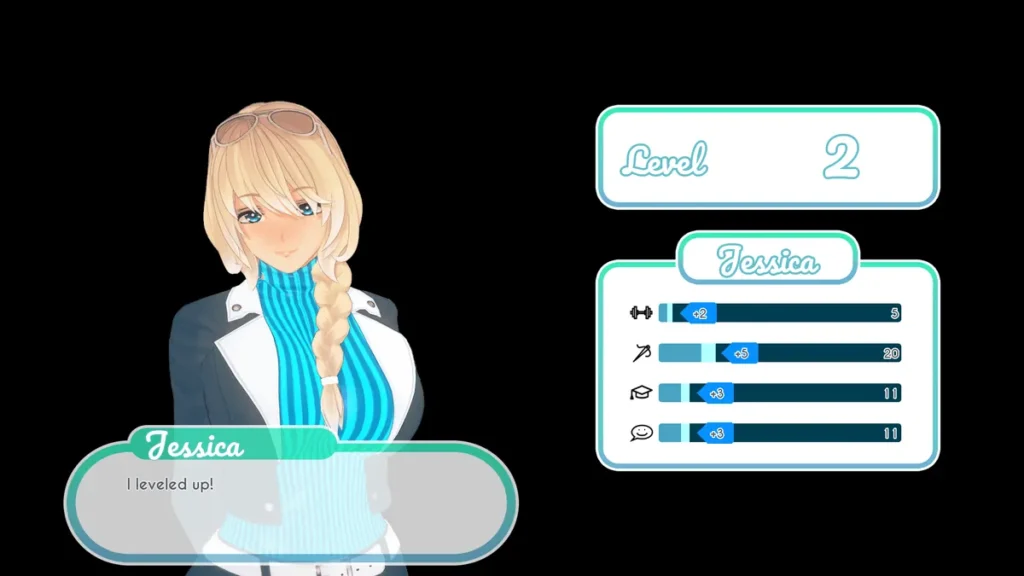
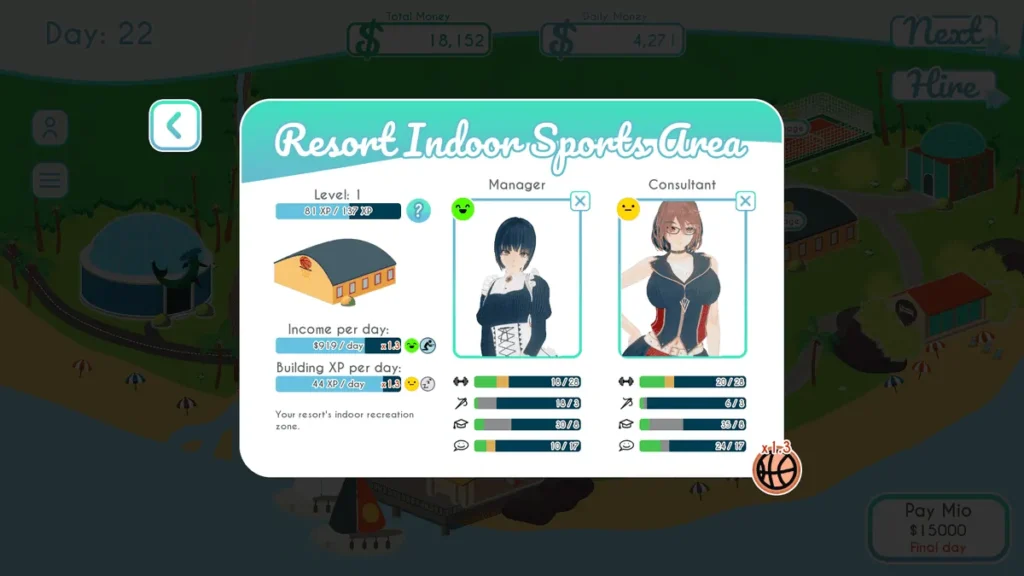
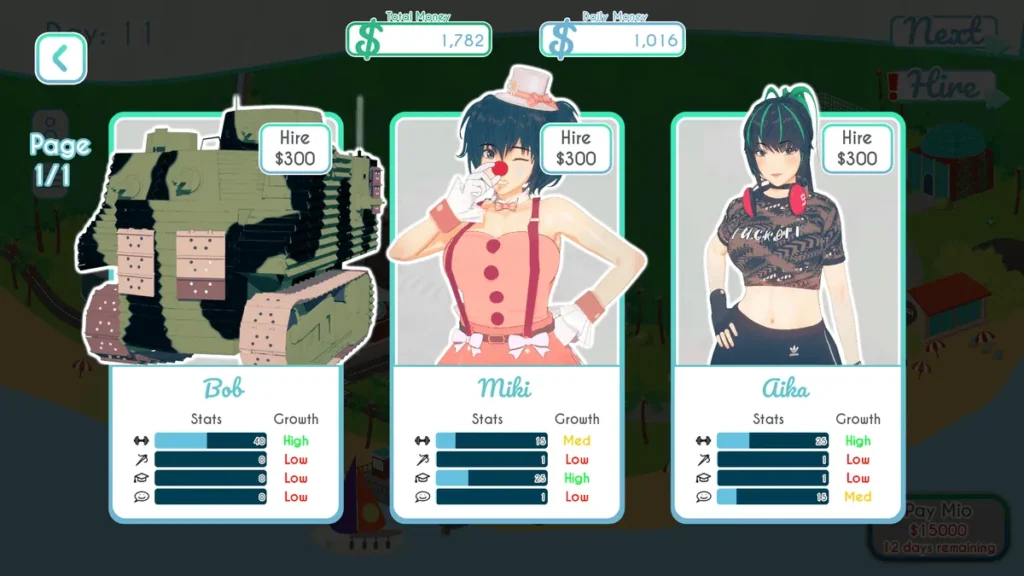













Tropicali review
Explore the mechanics, storyline, and interactive systems of this tropical management adventure
Tropicali stands out as a distinctive entry in adult gaming that combines traditional adventure mechanics with mature-oriented storytelling and interactive narrative systems. This tropical-themed management game invites players to inherit and operate a prestigious resort while navigating relationship dynamics and resource management. Whether you’re interested in understanding the game’s core mechanics, exploring its unique point-and-click adventure framework, or learning about the progression systems that drive gameplay, this guide covers everything you need to know about what makes Tropicali a thoughtfully designed interactive experience that extends beyond its mature content to offer genuine gameplay engagement.
Understanding Tropicali’s Core Gameplay Mechanics
Welcome to the island! 🌴 Before you can truly relax on the digital sand, it’s crucial to understand the engine under the hood. The Tropicali gameplay mechanics are a fascinating fusion of classic comfort food and modern, interactive spice. If you’ve ever wondered, “how does Tropicali game work?”, you’re in the right place. It’s not just about clicking on pretty scenery; it’s a deliberate dance between your curiosity, your inventory, and the island’s captivating inhabitants. Let’s peel back the palm fronds and see what makes this adventure tick.
How Point-and-Click Adventure Systems Work in Tropicali
At its heart, Tropicali is a point-and-click adventure game. This means your primary tools are your mouse cursor and your observational skills. The genre is legendary for its focus on exploration, dialogue, and inventory-based puzzles, and Tropicali honors this legacy while making it its own. ✨
When you first wash ashore, the game teaches you its language through simple interactions. You’ll click to move your character across the lush, hand-drawn scenes. You’ll hover your cursor over objects of interest—a glimmer on the beach, a loose vine in the jungle—to see them highlight, signaling they can be examined or collected. This intuitive system forms the bedrock of your entire journey. I remember spending my first few minutes just clicking on everything: the rustling bushes, the odd-shaped rock, the suspiciously calm lagoon. Each click rewarded me with flavorful text description, a tiny piece of world-building, or a crucial item for my pocket.
The inventory system is your lifeline. Found objects don’t just sit there; they are keys to unlocking the island’s secrets. This is where the classic point-and-click adventure game logic shines. Early on, you might find a rusty knife. Later, you’ll encounter a rope bridge frayed with vines. The connection isn’t spelled out, but the satisfying “aha!” moment when you combine use and environment is pure adventure-game gold. The puzzles are environmental and logical, woven seamlessly into the interactive narrative systems. You’re not solving abstract riddles; you’re clearing a path to a hidden spring because a character is thirsty, or figuring out how to safely retrieve a precious item from a treetop.
This framework is brilliantly familiar, but it’s the layer on top that defines the Tropicali experience. The game introduces more mature, character-driven objectives and consequences into this classic structure. A puzzle isn’t just about getting from Point A to Point B; it’s often directly tied to deepening a relationship or learning a character’s personal story. The puzzle is the narrative, and your success in one directly fuels your progress in the other.
Resource Management and Progression Gates Explained
Now, let’s talk about survival and strategy. While you’re clicking and exploring, you’re also sustaining yourself. This is where the resource management gameplay integrates flawlessly with the adventure core. You’re not just collecting items for puzzles; you’re gathering essentials to live. 🍌
Your basic needs—hunger, energy, and comfort—are persistent meters. You’ll forage for coconuts, fish in the reef, and eventually learn to cultivate small gardens. This isn’t busywork; it’s the rhythm of island life that grounds the story. Managing these resources determines how much you can accomplish in a single day. Do you spend your energy chopping wood to build a shelter, or do you explore the northern caves hoping to find a way off the island? Every choice has an opportunity cost.
This loop of “gather, sustain, explore, advance” is the core gameplay heartbeat. Let me give you a concrete example from my own playthrough:
I started my day needing to talk to the enigmatic fisher, Koa, to learn about the eastern tide pools. First, I had to ensure my energy was high enough for the trek. I clicked on a coconut tree, used a sharp stone from my inventory to harvest some nuts (solving a mini-puzzle), and consumed one. Energy restored! 🥥 On the way to Koa’s hut, I foraged some berries (adding to my food resources) and noticed a broken mechanism on a water pulley. I made a mental note. When I finally reached Koa, our conversation hit a snag—he was distracted, worried about his missing fishing lure. Our relationship couldn’t progress without helping him. I remembered seeing a shiny object near the pier earlier. I retrieved it, and by giving him the lure (an inventory puzzle solution tied to character interaction mechanics), I not only advanced our relationship but also earned his trust, which later granted me access to his boat for exploration. One simple action of collecting a coconut fed into energy management, exploration, and ultimately, relationship progression.
Progression in Tropicali is masterfully controlled through relationship progression gates. You cannot brute-force your way through the story. The island and its people open up to you based on trust and favors exchanged. Need to repair the old radio at the lookout? You’ll need tools held by a reclusive inventor who will only part with them after you’ve helped gather specific rare components from the jungle. These gates ensure the story unfolds organically and that your connections with characters feel earned and meaningful.
| Progression Type | Mechanics Involved | Examples | Impact on Gameplay |
|---|---|---|---|
| Story Advancement | Point-and-Click Exploration, Inventory Puzzles | Finding a ship’s log to trigger a new story chapter. | Unlocks new areas and major narrative beats. |
| Relationship Depth | Character Interaction, Favor-Based Quests | Completing a series of personal errands for a character. | Unlocks unique dialogue, personal stories, and often essential items or support. |
| Infrastructure & Survival | Resource Management, Crafting | Gathering 20 wood and 10 rope to build a rainwater collector. | Improves survival efficiency, unlocks new crafting recipes, and alters the environment. |
| Area Access | Puzzle-Solving, Relationship Gates | Receiving a key from a character after reaching a certain trust level. | Physically opens up new zones to explore, containing further resources and story. |
Character Relationships and Interactive Narrative Design
This brings us to the soul of Tropicali: its people. The character interaction mechanics are the most sophisticated layer of its interactive narrative systems. Every island resident has their own schedule, desires, history, and personality. Interacting with them isn’t just selecting dialogue options from a list; it’s about paying attention, remembering details, and making choices that affect your standing.
Conversations are dynamic. What you say, what favors you agree to, and even what time of day you approach someone can influence the outcome. The narrative isn’t on rails; it branches and adapts based on who you befriend, who you help, and what secrets you choose to uncover. I once focused heavily on helping the island’s botanist, which opened up a whole subplot about the island’s unique flora that I completely missed in a previous playthrough where I’d bonded with the beachcomber instead.
These interactive narrative systems are directly powered by the game’s other mechanics. You progress a character’s story by:
* Giving them gifts (which requires resource gathering or crafting).
* Completing their personal quests (which often involve classic adventure-game puzzle solving in the world).
* Choosing specific dialogue options that reflect understanding of their personality (learned through prior conversations).
The balance between puzzle-solving and narrative advancement is Tropicali’s greatest triumph. There is no stark division. Solving the puzzle of how to calm a wild animal might be the very thing that proves your worth to a character, unlocking the next chapter of their personal journey. The tools you use to manage your survival become tokens of friendship. The world you explore is populated not by quest dispensers, but by individuals whose problems are embedded in the environment.
Finally, the technical presentation solidifies this experience. The art is warm and inviting, making every click feel worthwhile. The sound design, from the lapping waves to the jungle ambiance, is immersive. The interface is clean and intuitive, ensuring the complex Tropicali gameplay mechanics never feel overwhelming. Everything from the way a character’s portrait animates when they speak to the satisfying click and visual feedback when you solve an environmental puzzle is designed to keep you immersed in the loop of discovery and connection.
So, how does Tropicali game work? It works by weaving together the thoughtful investigation of a point-and-click adventure game, the strategic planning of resource management gameplay, and the deep, choice-driven empathy of advanced character interaction mechanics. It uses relationship progression gates to pace your journey, ensuring every breakthrough feels significant. It’s a testament to how powerful interactive narrative systems can be when they are not just layered on top of gameplay, but are the very fuel that makes the Tropicali gameplay mechanics run. Your adventure on the island awaits—every click tells a story. 🏝️
Tropicali represents a thoughtfully designed interactive experience that successfully merges classic adventure game mechanics with mature-oriented storytelling. The game’s strength lies in how it seamlessly integrates its various systems—from point-and-click exploration to relationship management and resource progression—into a cohesive gameplay loop. Rather than separating puzzle-solving from narrative elements, Tropicali ensures that every interaction serves both mechanical and story purposes, creating genuine engagement beyond its mature content. The progression system’s use of relationship gates and key items creates meaningful decision-making moments that impact how players advance through the game. For players interested in adult gaming that prioritizes thoughtful game design and interactive narrative, Tropicali offers a distinctive experience that demonstrates how mature themes can coexist with solid gameplay mechanics and engaging storytelling.