The Theater of Sinners
Play The Theater of Sinners
The Theater of Sinners Screenshots
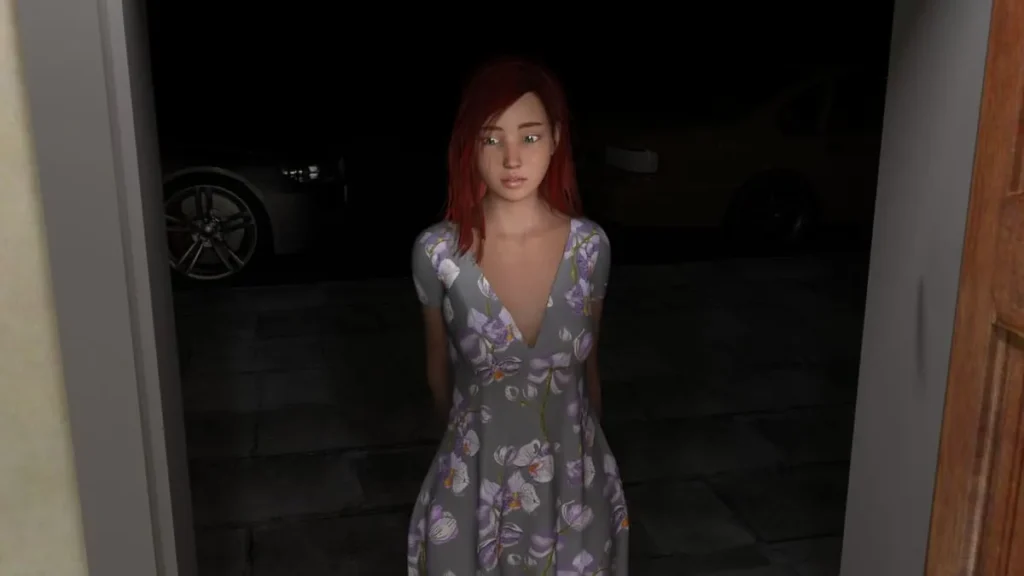
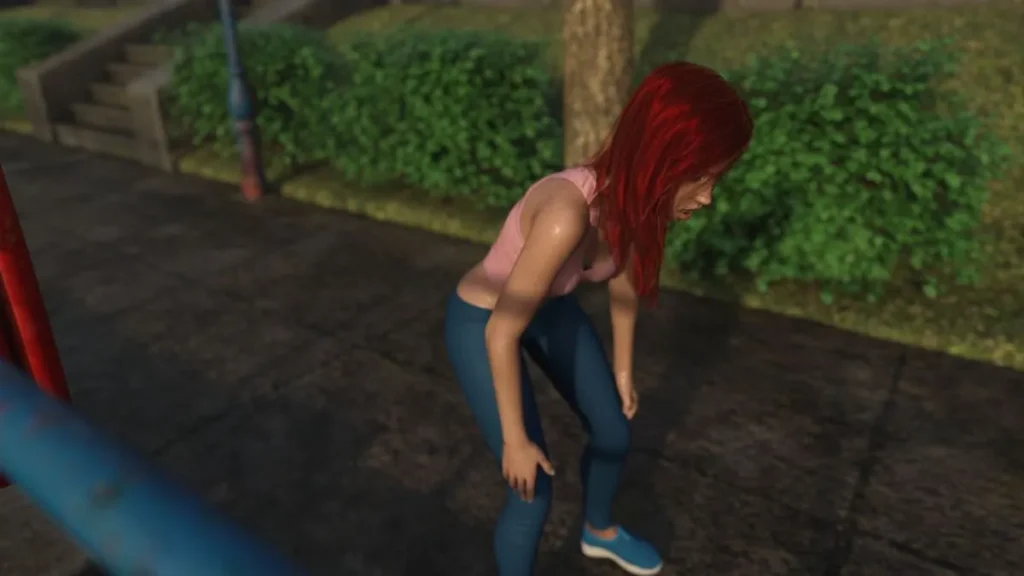
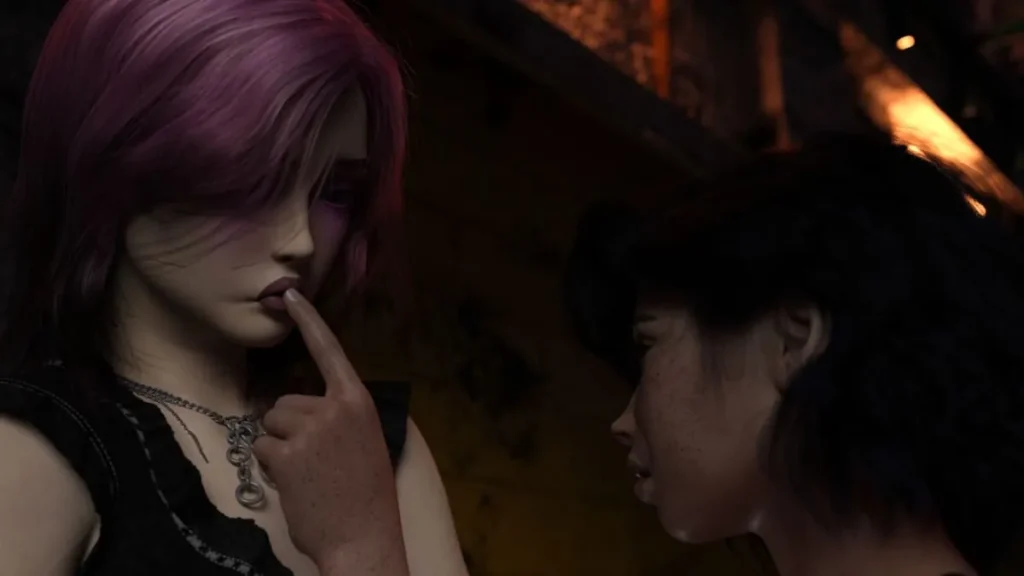
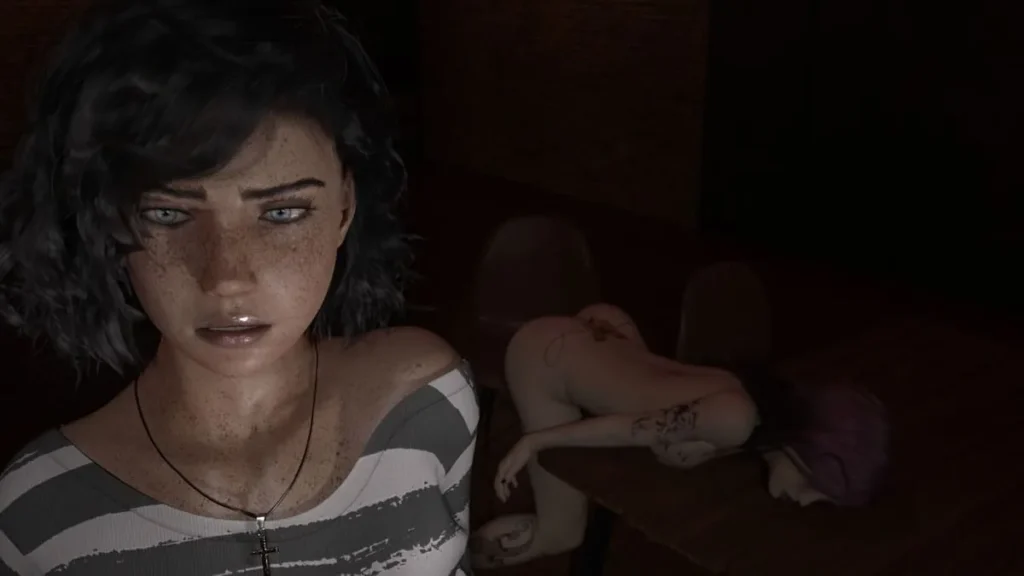


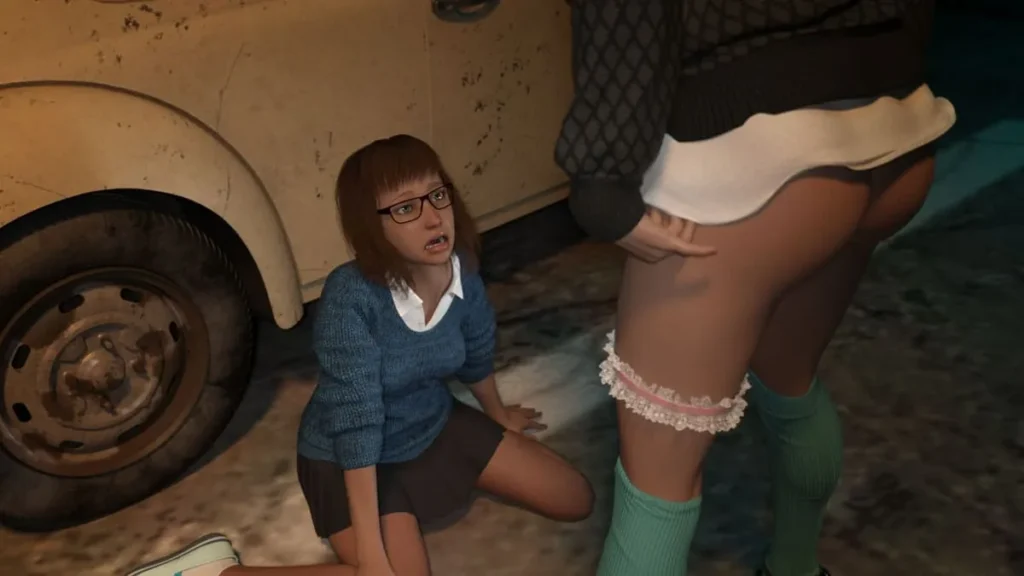
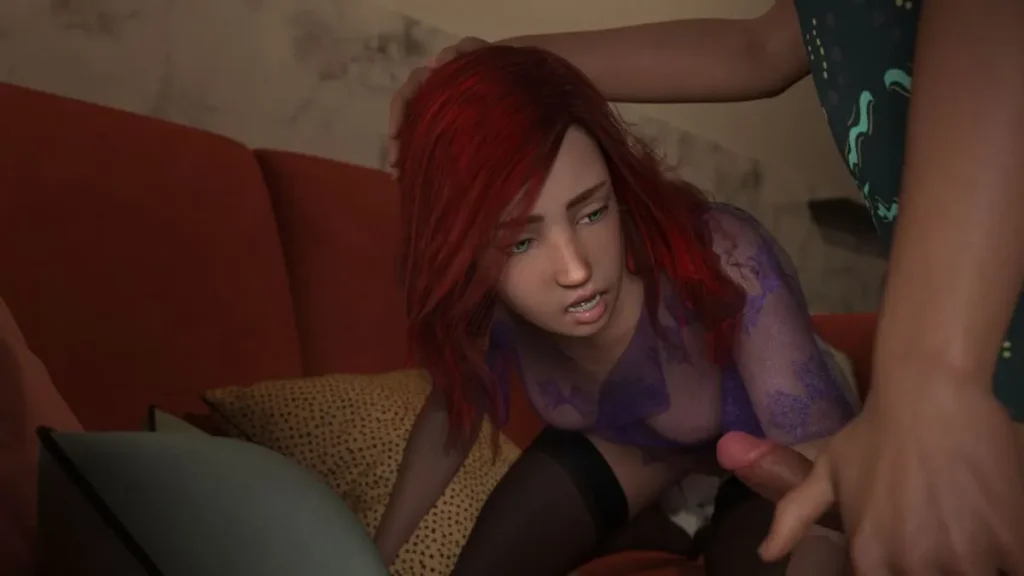
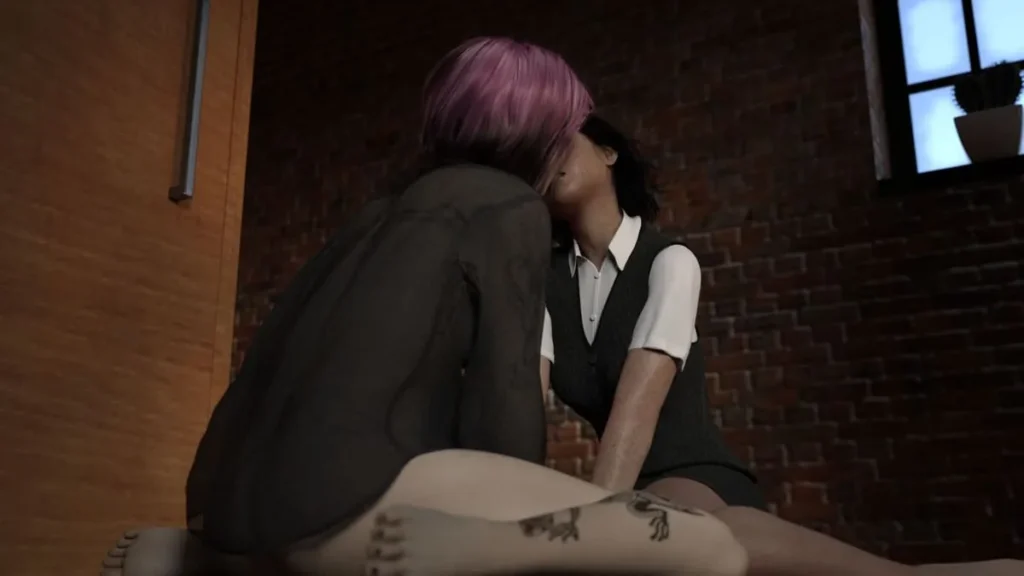

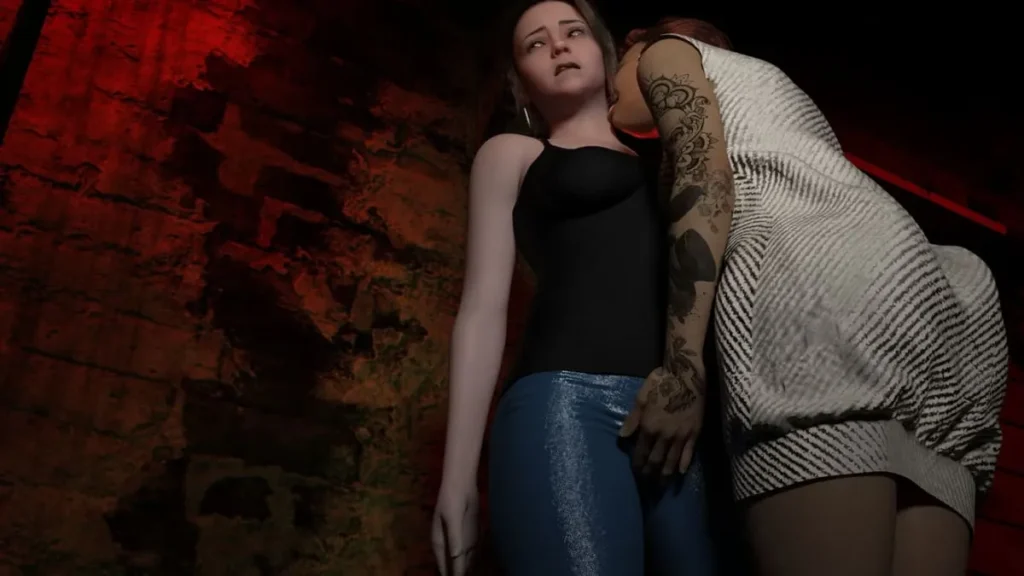

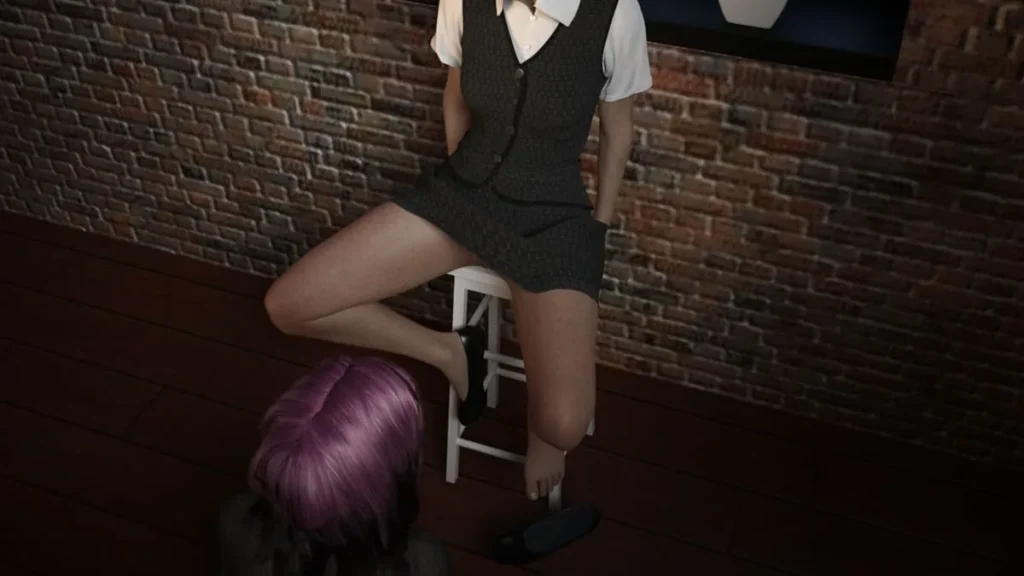
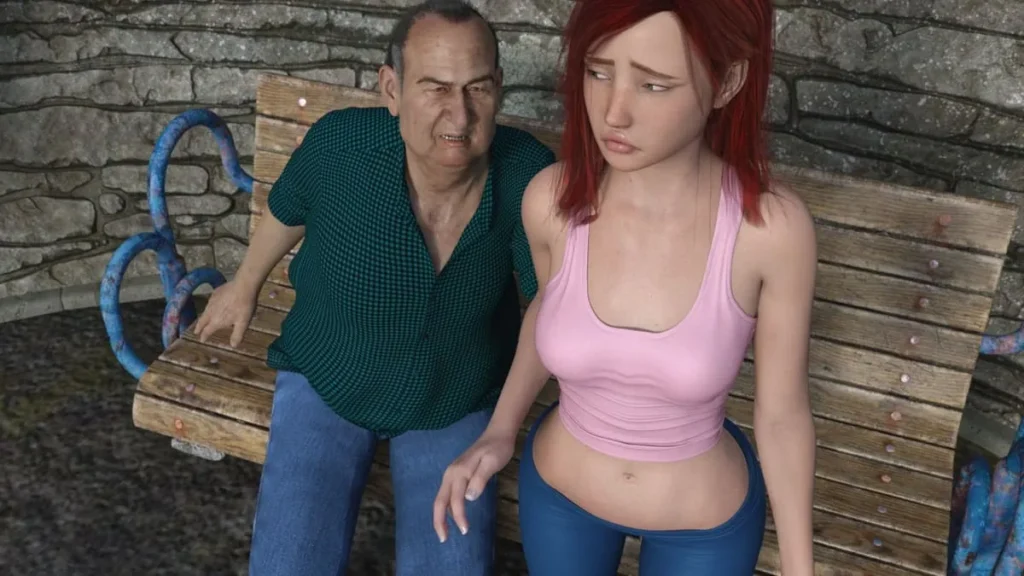
The Theater of Sinners review
Dive into humiliation, corruption, and twisted choices in this Ren’Py adult game
Imagine stumbling into a shadowy theater where every curtain hides a sin, and your choices script the downfall or fleeting redemption of broken souls. That’s The Theater of Sinners, the gripping Ren’Py visual novel from JustXThings that pulls you into a world of humiliation, corruption, and moral grayness. Version 0.3 Alpha 1 delivers interleaved stories of protagonists like Paula and Rebecca, facing bullying, abuse, and deviance. I first loaded it up late one night, expecting light thrills, but hours later, I was hooked on the psychological depth and branching paths. If you’re craving a decision-driven adult game blending fantasy horror with raw human struggles, this guide uncovers everything from core mechanics to character arcs. Let’s step onto the stage.
What Makes The Theater of Sinners Uniquely Addictive?
Let me tell you about the first time I played The Theater of Sinners. I thought I was being clever, you know? 🤔 I’d navigate the tense dialogue, choosing what I thought were the “neutral,” safe options, avoiding outright cruelty but not embracing submission either. I figured I’d skate through the story unscathed. Boy, was I wrong. My choices didn’t lead to safety; they led to a chilling alliance with a character I’d underestimated, locking me into a story branch of cold, manipulative calculus instead of explosive brutality. That’s the moment I realized this Ren’Py adult game wasn’t playing by any rulebook I knew. It was a masterclass in consequence, and I was utterly hooked.
So, what is The Theater of Sinners at its core? It’s more than just a title; it’s a promise. You’re not just clicking through a story—you’re stepping onto the stage of the Grand Théâtre des Ombres, a clandestine theater where the audience craves a very specific kind of drama: the unraveling of the human spirit. This psychological horror story uses the familiar framework of visual novel mechanics to trap you in a world of exquisite pressure, where every choice feeds your character’s stats and forever alters the narrative path. Forget clear-cut heroes and villains. Here, you’re navigating a fog of moral grayness themes, and the most addictive part is wondering how far you are willing to go.
Unpacking the Core Premise and Setting
The genius of The Theater of Sinners game starts with its foundation. It doesn’t throw you into abstract misery; it gives you two profoundly broken, yet relatable, protagonists with histories that make your heart ache and your choices weigh a ton.
First, there’s Paula. 👑 On the surface, she’s the polished daughter of a powerful figure. But that status makes her a target. Bullied and tormented by a group of delinquents, her journey is one of forced deviance—a brutal stripping away of privilege and persona. Then there’s Rebecca. 💔 Her world is one of tangible decay, raised by a neglectful addict mother and a vicious step-father. Her story isn’t about falling from grace; it’s about surviving in the mud and discovering what she’s willing to become to escape.
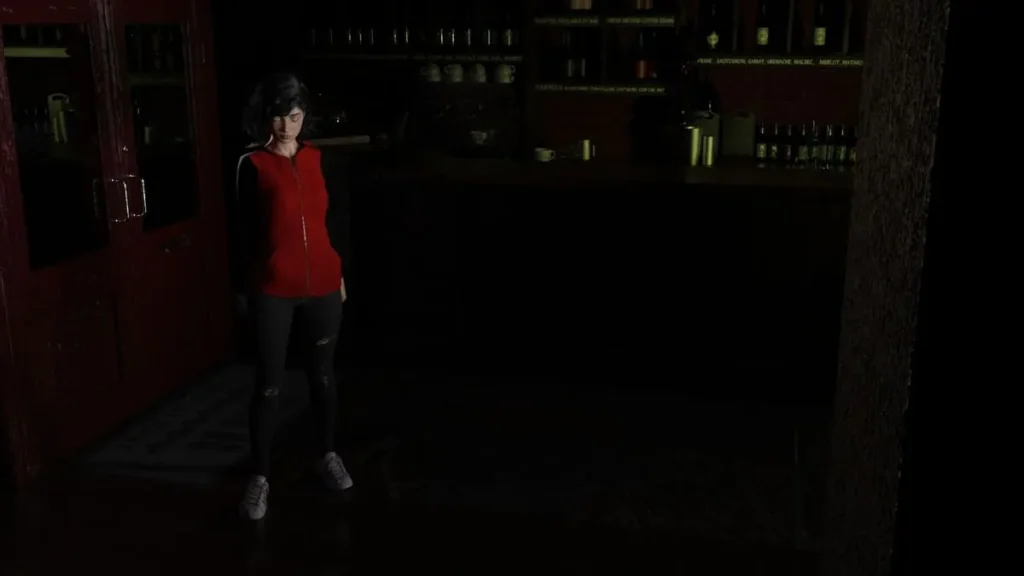
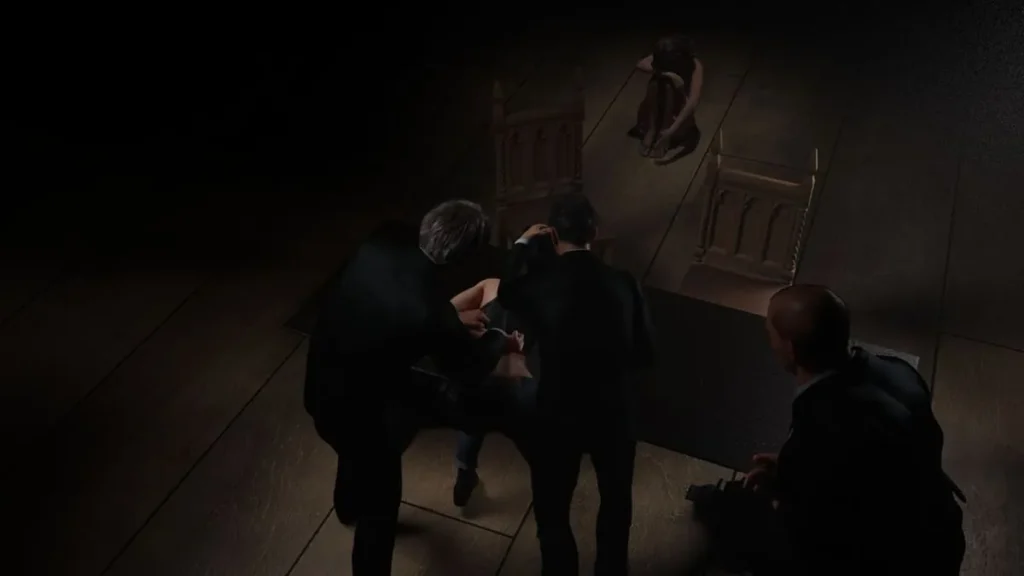
The setting of the Grand Théâtre des Ombres is the perfect catalyst. It’s not just a location; it’s an active character. This hidden theater is where private shames become public spectacle, and your protagonists are both the lead actors and the director of their own ruin (or perhaps, a very twisted form of empowerment). The atmosphere drips with dread—a mix of elegant, shadowy aesthetics and a sound design that amplifies every nervous breath and unsettling silence. This isn’t horror with jump scares; it’s horror that settles in your bones through implication and the terrible, growing understanding of the rules of the game.
Tip: Savor every line of dialogue. What’s left unsaid in this psychological horror story is often more terrifying than what is spoken. A paused glance or a hesitant silence can completely change the meaning of a scene.
By grounding its darkness in these detailed lives and a tangible, oppressive setting, The Theater of Sinners ensures you’re not just an observer of corruption. You’re its architect. 🏛️➡️😈
How Decisions Shape Your Twisted Journey
This is where the magic—or rather, the delicious torment—of the Theater of Sinners game truly lives. The visual novel mechanics here are a beautifully crafted cage. You’re presented with decision branching paths constantly, but these aren’t simple “good vs. evil” picks. Each choice subtly raises one of several core stats, like Submission, Defiance, Corruption, or Guilt. These invisible numbers are the puppeteers of your entire experience.
My “neutral path” failure happened because I didn’t understand this. I wasn’t boosting any stat significantly, so the game interpreted my ambiguity as its own narrative, leading me to an unexpected and cold ally. The game brilliantly allows you to play unlocked events in any order, but your stat build heavily influences what you see within those events. A high Corruption stat might unlock a scene of cruel dominance, while a high Guilt stat might reveal a moment of painful remorse in the same story beat.
Think of it as crafting your protagonist’s psyche in real-time. Do you have Rebecca lean into bitterness and manipulation to seize power? Or does Paula discover a shocking affinity for the humiliation she once feared? The decision branching paths mean you might experience a scene that ends with harsh, brutal finality in one playthrough, and a fleeting chance of connection (however flawed) in another.
To show how this works, let’s break down the key systems:
| Gameplay Feature | Narrative Impact |
|---|---|
| Dialogue Choices | Directly steer conversation tone and character perceptions. A harsh word can branch the story toward a harsh outcome, while a whispered agreement can open a path of shared secrets. |
| Stat Raises (Corruption, Guilt, etc.) | These hidden meters influence character arcs over the long term. High Corruption may lead to embracing the theater’s games, while high Guilt might create opportunities for (painful) redemption paths. |
| Event Unlocks | Milestone-based progression that opens new chapters. The order you play them is free, but your stats determine the scenes and endings available within each event, creating a highly personalized story. |
The actionable advice here is golden: track your instincts. 🧠 On a second playthrough, I used a notepad to jot down which stats I thought each major choice affected. It transformed the experience from a confusing web into a fascinating puzzle of human psychology. Want to see Paula break in a specific way? You can engineer it. Curious if Rebecca can hold onto a shred of empathy? You can fight for it, but the cost will be immense.
Why the Psychological Horror Hits So Hard
Many games shock you with gore or monsters. The Theater of Sinners unnerves you with a mirror. 🪞 The psychological horror story it tells is effective because it’s rooted in terrifyingly real emotional dynamics: the cycle of pain, the seduction of power when you’ve been powerless, and the confusing line between trauma bonding and affection.
The game doesn’t just present dark themes; it entwines them with your agency. The horror isn’t just that “bad things happen to Paula and Rebecca.” The true dread comes from making the choice that leads there, and then sitting with the consequence. That unconventional, often disturbing relationship you might cultivate with an abuser? The game forces you to confront why that path might feel compelling to your character in that moment. It explores the terrifying appeal of giving up control (Submission) or the corrosive high of taking it (Corruption).
This is a game that explicitly warns you about its content—themes of sadism, masochism, self-destruction, and dominant/submissive relationships are not just backdrop; they are the core text. If you’re uncomfortable with these explorations of the human shadow, it’s perfectly valid to skip this one. But if you engage, you’ll find the horror lies in the moral grayness themes. There are no pure victims or victors here. Every character is stained, and your journey is about deciding which stains you can live with.
The sound design and visual artistry amplify this perfectly. 😨 The soundtrack is a mix of haunting piano pieces and oppressive silence. The character sprites are detailed, with expressions that perfectly capture fleeting defiance, crumbling resolve, or unsettling pleasure. You’ll lean in to catch a whisper, and flinch at a sudden, sharp sound.
In my opinion, to dismiss The Theater of Sinners as just another Ren’Py adult game is to miss the point entirely. It’s a raw, unflinching experiment in interactive psychology. It uses the mechanics of choice to ask deeply uncomfortable questions: What does survival truly cost? Can love exist in a dynamic built on power and pain? Where is the line between adapting to a cruel world and becoming an agent of that cruelty?
It’s addictive not because of titillation, but because of introspection. You’ll keep playing—and replaying—not just to see “all the scenes,” but to understand all the potential selves your character could become. This game is a dark, ornate mirror held up to the parts of ourselves we rarely acknowledge. Are you brave enough to look?
From the gilded cage of the Grand Théâtre des Ombres to the raw struggles of Paula and Rebecca, The Theater of Sinners masterfully weaves humiliation, corruption, and faint glimmers of redemption into a choice-driven masterpiece. My dives into its branches taught me that every decision echoes, turning players into unwitting architects of fate. Whether you embrace the brutality or seek twisted romance, this Ren’Py gem delivers chills and thrills that linger. Ready to direct your own dark play? Download version 0.3 Alpha 1 from JustXThings’ itch.io, track your stats closely, and savor the moral ambiguity. Step into the spotlight—what sins will you stage next?