
Play Sylphine
Sylphine Screenshots









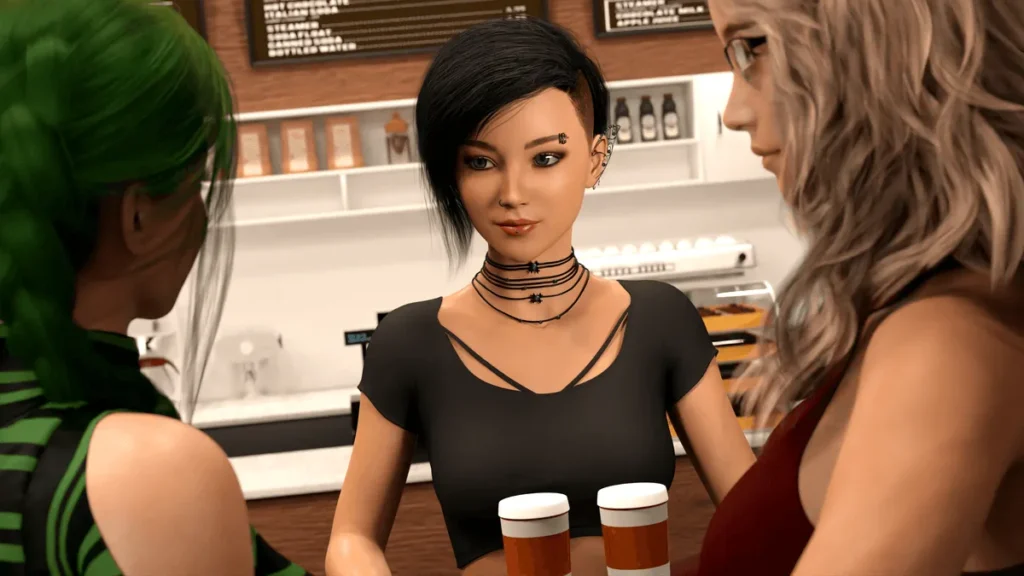
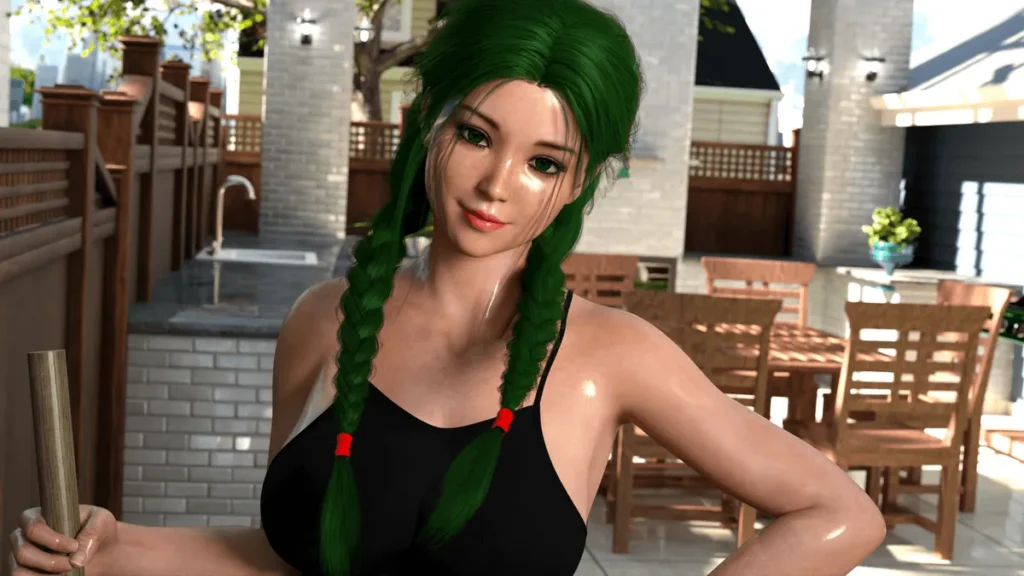
Sylphine review
Story, systems, and practical tips to get the most out of Sylphine
Sylphine is a story-driven game that mixes visual novel style storytelling with interactive scenes, character progression, and relationship building. If you have seen screenshots or short clips of Sylphine and wondered what the actual experience feels like, this guide is for you. I’ll walk you through how the narrative unfolds, how the main systems work in practice, and what you can realistically expect from your first hours in the game. Along the way, I’ll share personal impressions, small mistakes I made early on, and the strategies that helped me enjoy Sylphine much more on a second playthrough.
What Is Sylphine and How Does the Game Play?
So, you’ve seen the name Sylphine floating around, maybe caught a glimpse of some beautiful character art, and now you’re wondering: what’s the deal with this game? 🤔 Is it for you? Let’s pull back the curtain.
At its heart, Sylphine is a deeply personal journey told through a rich tapestry of words, choices, and character connections. Forget sprawling open worlds or intense combat systems; this Sylphine game is a masterclass in interactive storytelling. It’s a world you step into not to conquer, but to understand and influence through every conversation and decision you make.
If you’re looking for a game where your voice truly matters and relationships are the core currency, then you’re asking the right question: what is Sylphine? It’s an experience built for those who love to read, to ponder, and to see how the smallest choice can gently alter the course of a story.
Sylphine Overview: Core Story, World, and Mood 🍃
Imagine arriving in a place that feels both strangely familiar and utterly new. The Sylphine story typically begins with this sense of discovery. Without diving into spoilers, you’ll often find yourself stepping into the shoes of a character navigating a pivotal moment in their life—perhaps a new job in a mystical town, a return to a forgotten home, or an encounter that unlocks a hidden part of the world.
The mood isn’t one of constant dread or slapstick comedy, but rather a nuanced, often gentle blend of the everyday and the extraordinary. You’ll share quiet, heartfelt moments over tea just as often as you might uncover a lingering secret that changes your perspective. The tone is mature, focusing on themes of growth, belonging, and the complex web of relationships that define us. It’s a game that isn’t afraid to be contemplative, letting scenes breathe so you can truly soak in the atmosphere.
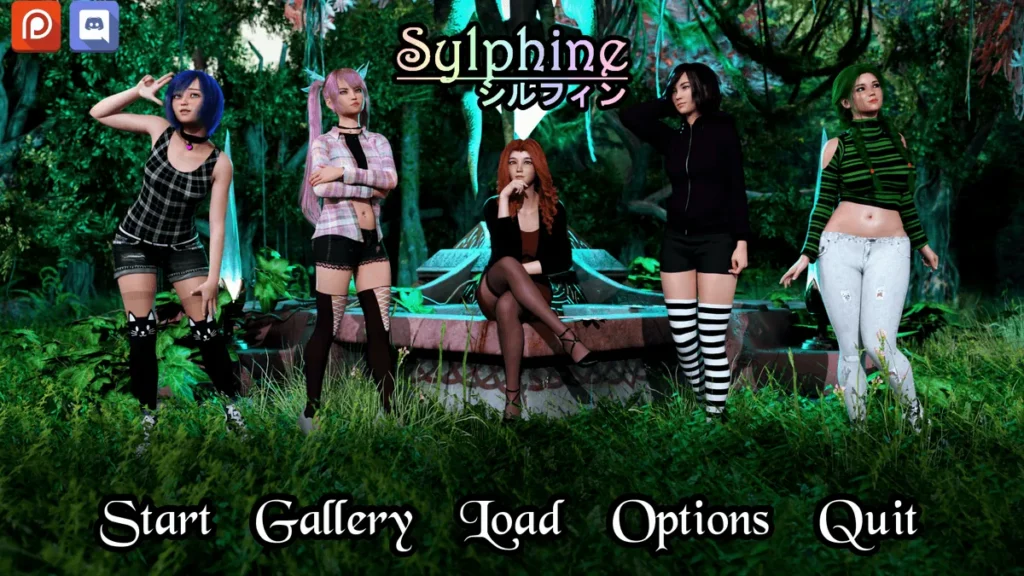
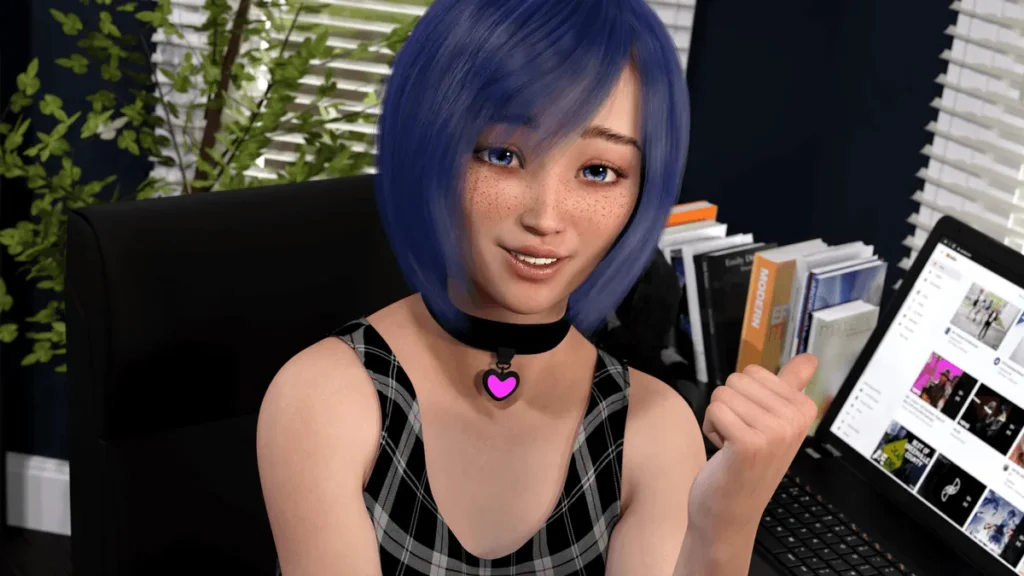
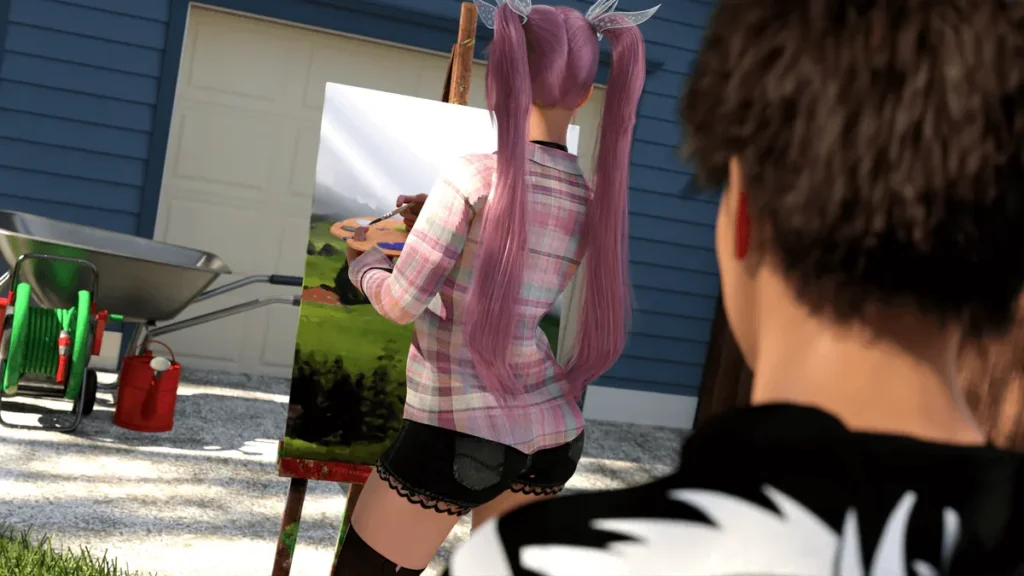
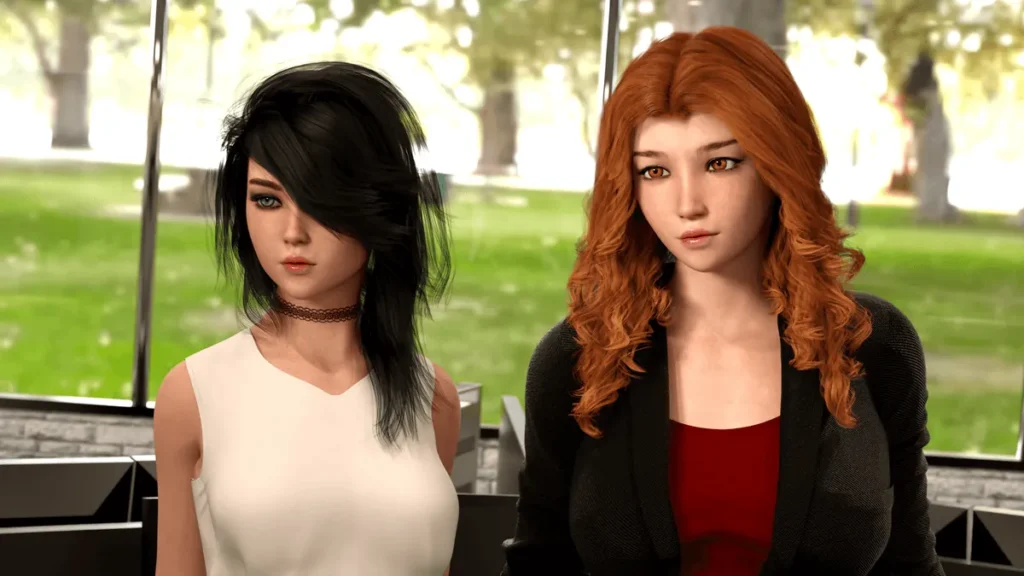
Visually, the game presents its world through stunning, painterly backgrounds that make every location feel alive. Character portraits are incredibly expressive, shifting with subtle emotions that make dialogues feel dynamic. The UI is clean and unobtrusive, putting the focus squarely on the characters and the world. Pacing is deliberate—this is a slow-burn narrative meant to be savored, not rushed.
To give you the quick snapshot, here’s what defines the core of this Sylphine game:
- Story-First Design: The narrative is the main event, driving everything forward.
- Meaningful Choices: Your dialogue selections actively shape relationships and plot branches.
- Relationship Systems: Behind the scenes, your actions influence character affections and unlock unique scenes.
- High Replayability: One playthrough shows just one path; seeing everything requires multiple journeys with different choices.
How Sylphine Combines Visual Novel Scenes and Interactive Gameplay 🎭
Okay, so you know it’s story-rich. But how does Sylphine play? Is it just clicking through text? Not at all. The Sylphine gameplay is a clever, interactive dance between reading and deciding.
The primary format will feel familiar to visual novel fans: you read through scenes with beautiful artwork, accompanied by music and sound effects that set the mood. Where the magic happens is in the branching dialogue options. You’re not just a passenger; you’re the director of the conversation. These choices are rarely about “good” or “bad” endings in a simplistic sense. Instead, they reflect your personality and priorities. Do you offer blunt honesty or gentle reassurance? Do you pursue one character’s mystery or check in on another who seems lonely?
This is where key mechanics come into play. While not always visible, your choices feed into invisible “affection” or “relationship” values with other characters. Making choices that align with a character’s personality or supporting them in a moment of need will deepen your bond. Reach a certain threshold, and you’ll unlock special, intimate scenes that are unique to that relationship path. Conversely, certain choices can close off routes, making your journey uniquely yours.
The interactivity is also framed within a structure, often the passage of in-game days or chapters. You might have a morning, afternoon, and evening segment to spend, choosing which character to meet or which location to explore. This creates a wonderful sense of agency and daily life.
To break it down, here are the key systems at work in the Sylphine gameplay loop:
| Gameplay Element | How It Works | Player Impact |
|---|---|---|
| Dialogue Choices | Presented at key moments in conversation, often with 2-4 options. | Immediately influences the conversation tone and direction; builds hidden relationship points. |
| Event Triggers | Special scenes are unlocked by reaching certain relationship levels or making specific story choices. | Unlocks deeper character development, backstory, and unique narrative branches. |
| Route Branching | Major decisions act as forks in the road, leading to significantly different story chapters and endings. | Defines the overall narrative arc and which character’s story you become most entwined with. |
This structure means the game’s complexity isn’t in managing inventory or stats, but in navigating the human (and sometimes not-so-human) connections that form the story’s heart.
My First Hours in Sylphine: What Surprised Me Most ✨
Let me paint a picture of my Sylphine first impressions with a mini case study from my initial play session. I started a new game, and within minutes, I was immersed in a beautifully rendered town at dusk. I met two central characters almost immediately: one was charmingly upbeat, trying to show me the ropes, while the other was more reserved, observing from the sidelines with a thoughtful, cautious air.
The first major choice came quickly. The upbeat character, let’s call them Alex, suggested a quick tour to cheer me up. The reserved one, Sam, quietly mentioned they were heading to the archive if I wanted “a quieter introduction to our history.” I was torn! I went with Sam, intrigued by the promise of lore.
This early choice had a ripple effect I didn’t expect. Because I chose Sam, I missed a scene where Alex shared a personal joke with the town gardener—a scene that later turned out to be a key to understanding Alex’s motivations. Instead, I learned about the town’s founding myths with Sam, and in a quiet moment, a dialogue option appeared: “You seem to carry the weight of these stories.” Choosing that led to Sam opening up just a tiny bit, and I saw a flicker of gratitude in their portrait. A small notification subtly appeared: ‘Your bond with Sam has deepened.’
It was this moment that defined my Sylphine first impressions. I realized I wasn’t just picking topics; I was building a unique history with each character. My story was already diverging from someone who chose the tour with Alex. By the end of my first in-game day, I felt a real sense of ownership over “my” version of these relationships.
Here’s the practical advice I wish I’d had when I started:
Don’t try to see everything on your first run. The beauty of Sylphine is in the journey your choices create. Playing to please everyone often leads to a less personal story.
- Save Often, and in Multiple Slots: Before any choice that feels significant, save. You’ll thank yourself later when you want to explore a different path without replaying hours.
- Read at the Game’s Pace: Let the voice acting (if present) play out, and absorb the text. The nuances in word choice often hint at how a character might react.
- Go with Your Gut: Your first instinct often leads to the most engaging and personal story. You can always replay for completion later!
- Embrace the “Slow Burn”: This isn’t a race. Enjoy the quiet moments—they make the emotional payoffs much more powerful.
My initial surprise at how quickly my choices branched transformed into pure admiration. This Sylphine review style overview from a player’s perspective boils down to a sense of wonderful, curated agency. You are given the tools to craft a narrative experience that feels genuinely reflective of your interactions.
So, how does Sylphine play? It plays like a thoughtful conversation with a world that listens and remembers. It’s a game that rewards emotional investment and curiosity, offering a powerful reminder of the impact we can have on the stories—and people—around us. If that sounds appealing, then your journey into Sylphine is about to begin. 🍂
Sylphine is best approached as a slow, character-focused experience where your enjoyment comes from following the story, experimenting with different choices, and watching relationships evolve over time. If you go in expecting a fast arcade title, you might bounce off it, but if you like visual novel style storytelling with meaningful decisions, Sylphine can be very rewarding. My advice is to treat your first run as a relaxed discovery: read the dialogue, follow the characters that interest you, and do not stress about missing content. You can always come back for another playthrough and explore different routes once you understand how Sylphine wants you to play.