SnowStorm
Play SnowStorm
SnowStorm Screenshots














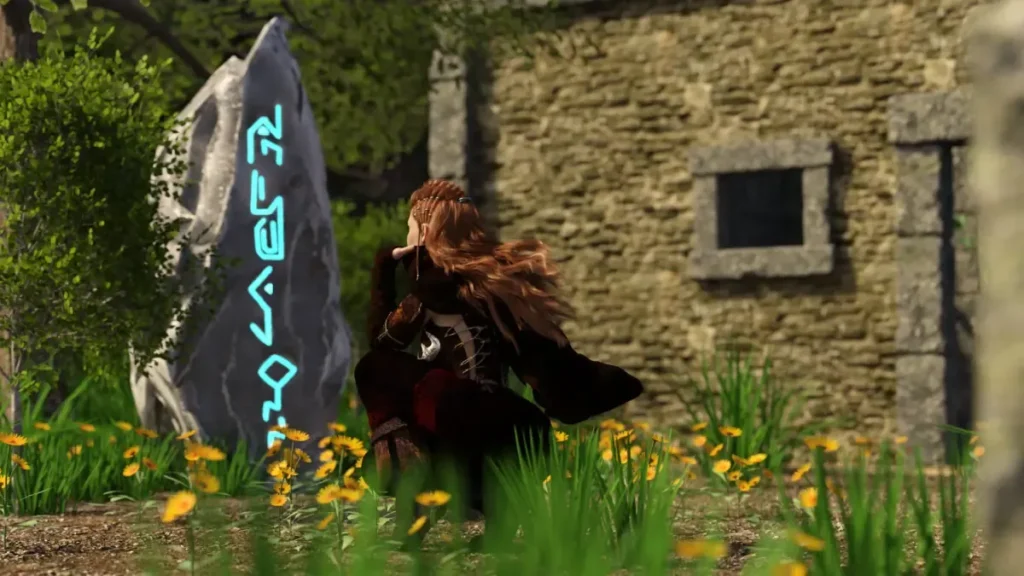
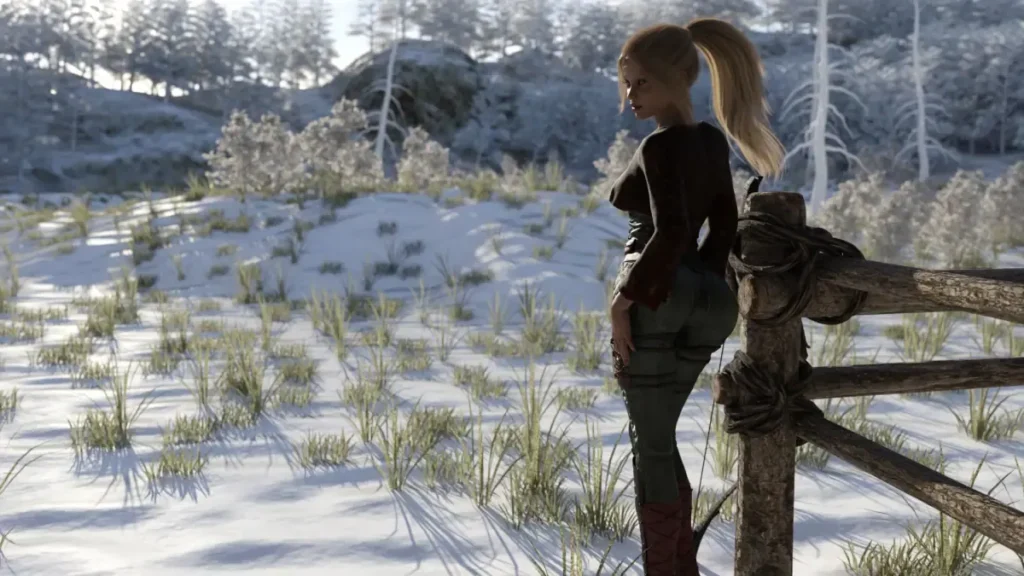


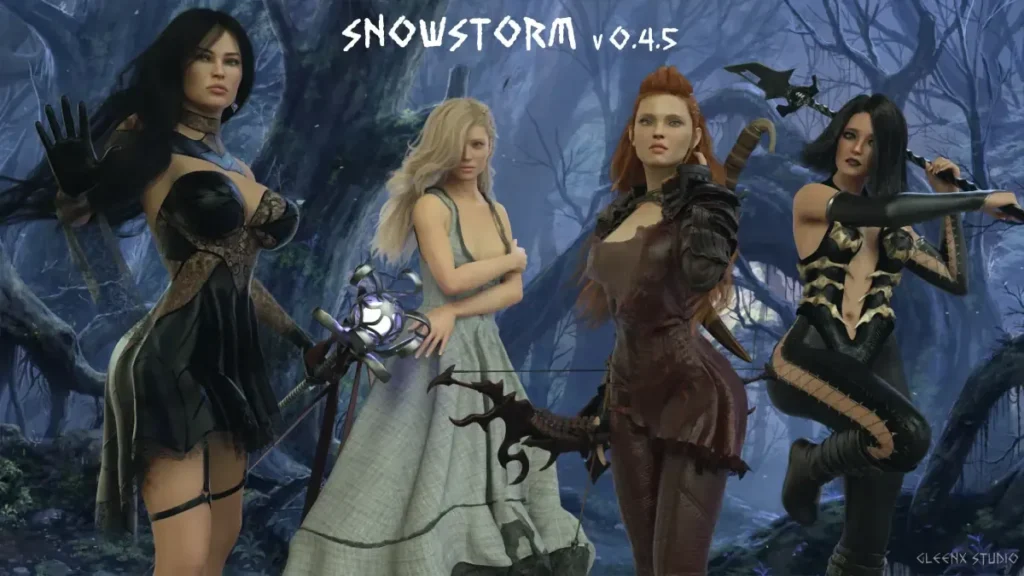
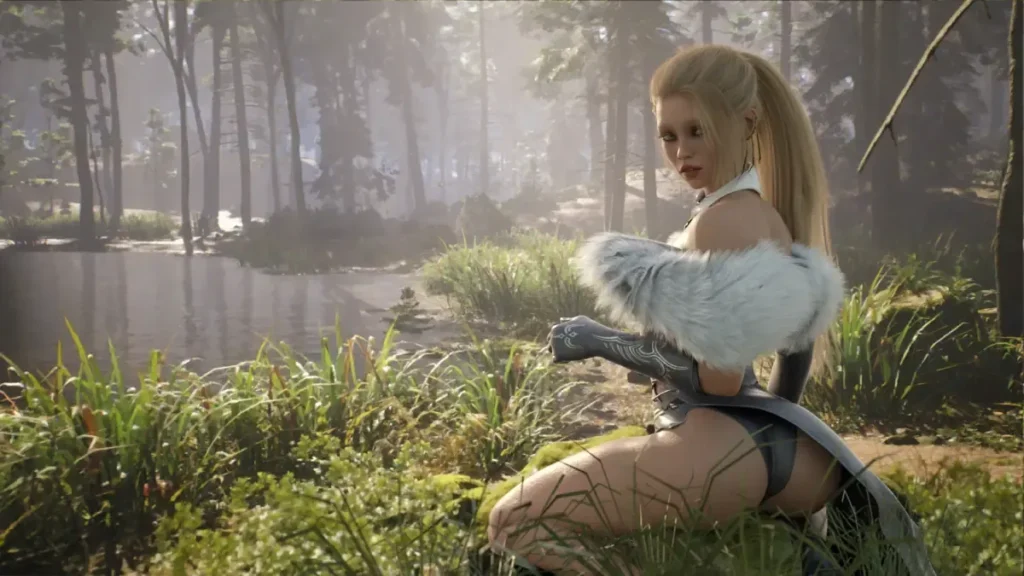


SnowStorm review
Exploring the world, mechanics, and story of SnowStorm
SnowStorm is a unique title that has drawn attention for its distinct atmosphere and gameplay style. Set in a frozen, mysterious world, the game blends exploration, survival, and narrative elements into a cohesive experience. Whether you’re new to SnowStorm or looking to understand it more deeply, this article breaks down what makes the game stand out. From its icy environments to its character interactions and core mechanics, we’ll cover everything you need to know about SnowStorm and why it’s worth your time.
What Is SnowStorm and What Makes It Unique?
You’ve heard of survival games, and you’ve played narrative adventures. But have you ever experienced one that makes you feel the silence? ❄️ That’s the first thing that struck me about SnowStorm, a stunning narrative-driven adventure game available on PC and consoles. At its heart, the SnowStorm game is about Dr. Aris Thorne, a researcher stranded at a remote Antarctic outpost after a catastrophic equipment failure blankets the facility in an endless, unnatural blizzard. Your goal is simple yet daunting: survive, uncover the truth behind the storm, and make contact with the outside world before the cold—or the creeping loneliness—claims you.
This isn’t a run-and-gun action fest. The SnowStorm gameplay is a deliberate, tense dance between managing your dwindling resources, exploring the labyrinthine corridors of the isolated Helios Station, and piecing together a mystery through scattered logs and environmental clues. It’s a world where the greatest enemy isn’t a monster, but the quiet, and where every gust of wind against the window feels like a character in its own right. Let’s dive into what makes this frozen journey so compelling.
Overview of SnowStorm’s Setting and Premise
The SnowStorm setting is a masterclass in atmospheric storytelling. You are not just in a frozen wasteland; you are trapped within it. 🏔️ Helios Station, once a beacon of cutting-edge climate research, is now a frozen tomb of groaning metal and flickering lights. The SnowStorm world is meticulously crafted, with every frozen office chair, hastily abandoned coffee cup, and ominous ice fracture telling a piece of the story. The “storm” itself is a persistent, almost sentient force, a visual and auditory blanket that isolates you completely.
You play as Aris, a character defined not by combat prowess, but by intellect and desperation. The core SnowStorm gameplay loop revolves around systematic exploration and puzzle-solving. You’ll need to restore power to different station sectors, bypass frozen door mechanisms, and decode cryptic messages left by the missing crew. All while watching your body temperature and stamina gauges. It’s a constant, low-grade pressure that makes finding a warm room or a fresh battery feel like a monumental victory. The other SnowStorm characters are largely experienced through their ghostly presence—voiced logs, personal belongings, and the haunting spaces they left behind, which builds a profound sense of isolation and connection simultaneously.
How SnowStorm Differs from Other Titles in Its Genre
So, what sets the SnowStorm game apart in a crowded field? It’s all about focus and tone. While many games in the survival-adventure space use their setting as a backdrop for action or horror, SnowStorm is unflinching in its commitment to a slower, more psychological experience. The pace is meditative, forcing you to sit with the emptiness. There are no zombie hordes to fend off—the tension comes from a failing generator’s sputter or the distant sound of structural ice giving way.
Its visual style is another key differentiator. Instead of hyper-realism, SnowStorm employs a stark, almost painterly aesthetic. Icons and interfaces are diegetic, appearing as part of Aris’s equipment. The use of color is minimal: you live in a palette of blues, whites, and the desperate amber of emergency lighting. This choice isn’t just artistic; it directly feeds the feeling of monotony and sensory deprivation that Aris is suffering. The SnowStorm gameplay mechanics of thermal management and audio-based clue finding (listening for signal distortions or specific machinery hums) are perfectly married to this aesthetic, creating a uniquely cohesive and immersive package.
To see this contrast clearly, let’s look at how SnowStorm stands next to other games you might associate with the genre.
| Game | Genre Focus | Primary Tone | Core Player Activity |
|---|---|---|---|
| SnowStorm | Narrative-Puzzle Survival | Melancholic, Introspective, Tense | Environmental puzzle-solving, audio-log discovery, thermal resource management |
| A Typical Survival Crafting Game | Open-World Crafting Survival | Empowering, Creative, Sometimes Chaotic | Gathering resources, building bases, crafting tools/weapons |
| A Traditional First-Person Horror Game | Psychological or Action Horror | Fearful, Panicked, Reactive | Evading enemies, solving light puzzles, experiencing scripted scares |
| A Story-Driven “Walking Simulator” | Pure Narrative Exploration | Curious, Reflective, Emotional | Exploring environments, uncovering a linear story, minimal gameplay pressure |
As the table shows, SnowStorm carves its own niche. It has the pressure of survival without the burden of complex crafting, and the depth of narrative without removing all sense of tangible risk. It asks you to listen, to think, and to feel the cold, rather than just react to it.
Key Themes and Tone in SnowStorm
The tone of the SnowStorm story is best described as melancholic tension. There’s a pervasive sadness to exploring Helios Station—a grief for the interrupted lives and failed mission. Yet, layered over that is a constant, buzzing anxiety. Is the storm getting worse? Did that wall just have a new crack? This isn’t a game about jump scares; it’s about a dread that settles in your bones, much like the virtual cold seeping into Aris. 🥶
The themes are powerfully human. Isolation is the most obvious, but SnowStorm is deeply interested in what that isolation does to the mind. It explores obsession—both Aris’s obsession with solving the mystery and the former crew’s obsessions with their work. Underneath it all runs a thread about human connection. The most poignant moments often come from finding a simple, personal item or hearing a casual, pre-disaster conversation between colleagues. It highlights what’s been lost, making your struggle to re-establish contact feel desperately important.
The game’s brilliance is in how its mechanics reinforce its themes. When your screen frosts at the edges and your controller rumbles with chattering teeth, the theme of ‘survival’ isn’t a abstract concept—it’s a physical, immediate reality.
A key scene that perfectly captures this mood occurs early on. You navigate to the station’s broken communications array on the surface. The wind is howling, visibility is near zero, and your temperature gauge is plummeting. As you work on the console, you find a final, partially-transmitted message from a crew member to their child, cut off mid-sentence. In that moment, the SnowStorm world contracts. It’s no longer about global mysteries; it’s about this one shattered connection. The SnowStorm characters, though absent, become vividly real. The mechanical urgency to fix the array (to save yourself) merges completely with the narrative desire to restore that human link. It’s heartbreaking, tense, and beautiful all at once—a signature blend that defines the entire experience. ✨
Ultimately, SnowStorm is unique because it trusts you to find meaning in the quiet spaces. It uses its gameplay not to distract you from its story, but to make you live it. You don’t just learn about Aris’s isolation; you feel it in the long walks down dark hallways and the careful conservation of heat. The SnowStorm setting is more than a backdrop; it’s the central antagonist and the most detailed character. If you’re looking for a game that offers a powerful, thoughtful, and emotionally resonant experience—where survival is measured in watts and warmth, and story is discovered in whispers and frost—then your next journey should be into the heart of the storm.
SnowStorm stands out as a game that combines a haunting atmosphere with thoughtful storytelling and immersive mechanics. Its frozen world, compelling characters, and emotional depth make it a memorable experience for players who enjoy narrative-driven titles. If you’re drawn to games that focus on mood, exploration, and personal journeys, SnowStorm is definitely worth exploring. Give it a try and see how its quiet, icy world pulls you in.