Healslut
Play Healslut
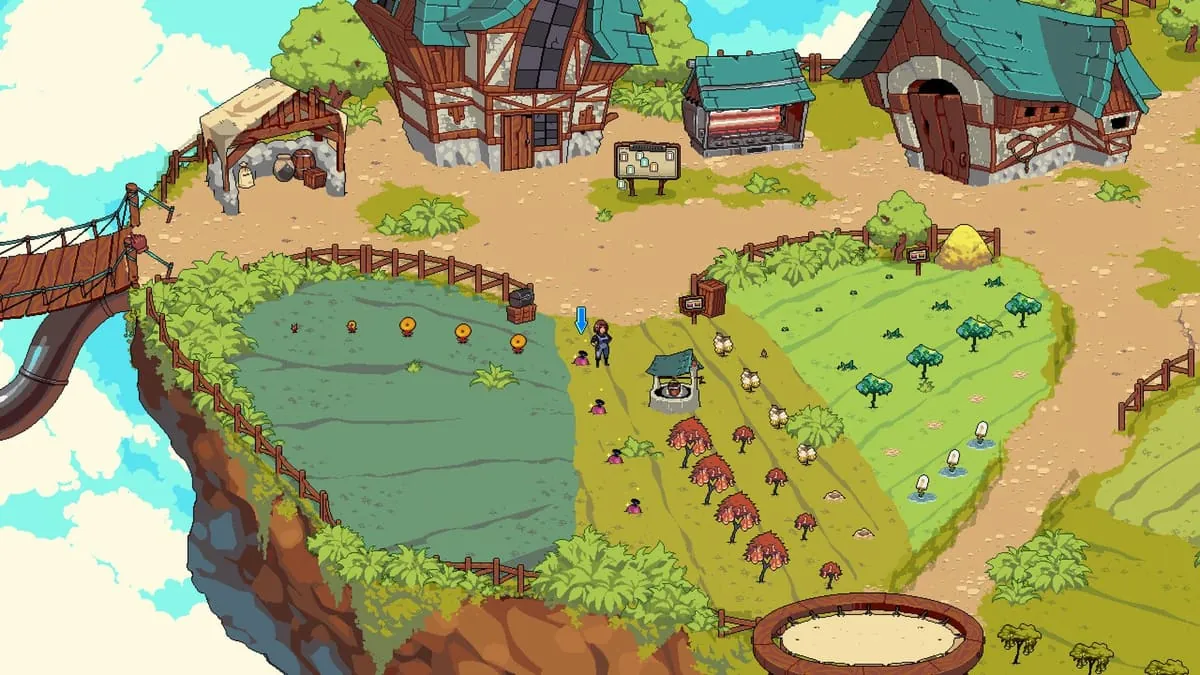
Healslut Screenshots






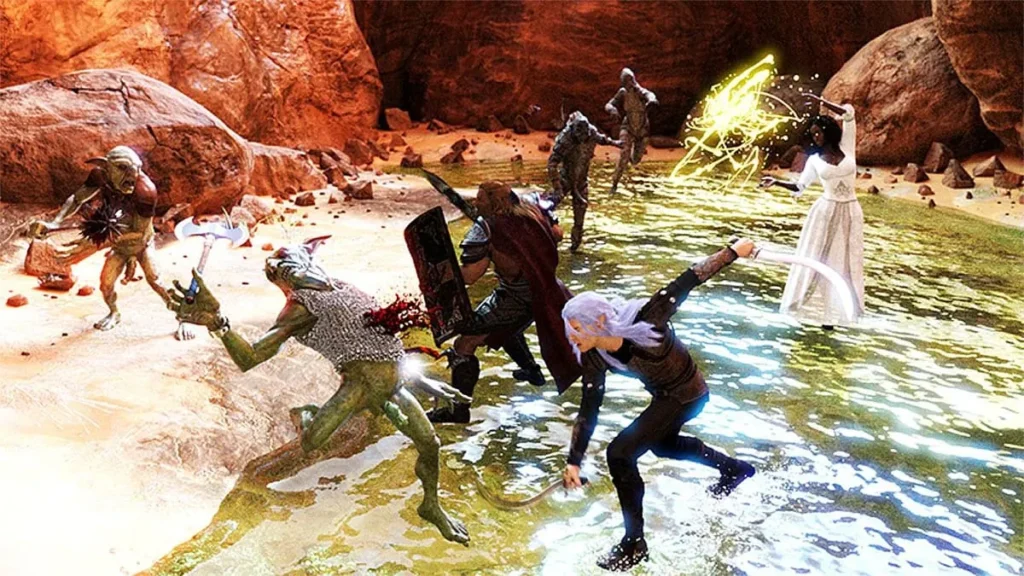

Healslut review
Exploring the intersection of healing mechanics, community culture, and alternative gaming experiences
The Healslut game represents a unique intersection of gaming mechanics and community-driven design philosophy. Originating from dedicated online communities, this game reimagines traditional healing mechanics by introducing alternative gameplay frameworks that shift how players interact with support roles. Rather than following conventional gaming narratives, the Healslut experience focuses on subverting standard mechanics to create engaging, unconventional gameplay. This comprehensive guide explores the game’s design philosophy, mechanical innovations, and the vibrant community that has formed around it, offering insights into how alternative games are reshaping player expectations and engagement.
Understanding Healslut Game Mechanics and Design Philosophy
Ever feel like you’re just a green number factory in a team-based game? You know the drill: sit in the back, keep health bars full, and watch everyone else get the glory. For years, the classic support or healer role, while vital, has often felt like a passive, reactive chore. But what if healing wasn’t just about repair? What if it was the core of a dynamic, expressive, and deeply engaging power fantasy? That’s exactly the seismic shift the Healslut game proposes. It doesn’t just tweak the old formula; it dismantles it and rebuilds it from the ground up with a radical design philosophy focused on agency, expression, and interconnected play.
This alternative gaming design asks a simple but profound question: why should support be a passive role? The answer comes in the form of a complete support role reimagined, transforming the healer from a background assistant into the strategic linchpin of every encounter. It’s a bold experiment in game mechanic subversion, and understanding its core principles is key to seeing why it’s resonating with players hungry for something new.
What Makes Healslut Game Unique: Core Mechanics Explained
At first glance, you might recognize familiar elements: abilities that restore allies, resources to manage, a team to protect. But look closer, and you’ll see a foundation built on unconventional game mechanics that flip the script. The genius of Healslut game mechanics lies not in inventing totally alien concepts, but in repurposing and intensifying familiar ones to create a new kind of play.
Think of a traditional healer’s toolkit: a single-target heal, an area-of-effect heal, a cleanse, a damage barrier. Their function is singular: mitigate incoming damage. The Healslut game mechanics explode this simplicity. Here, every healing action is also a building block for something greater. Let’s break down the core pillars:
- The Synergy Engine: This is the heartbeat of the game. Your healing abilities don’t just recover health; they apply unique, stacking “Synergy” buffs to your allies. Healing a tank might gradually increase their threat generation or damage reflection. Healing a damage dealer might build stacks that, when capped, unleash a powerful coordinated attack. Your choices directly shape your allies’ combat capabilities in real-time. 🔄
- Proactive Resource Generation: Forget waiting for a mana bar to refill. Your primary resource—let’s call it “Vitality”—is generated by performing well-timed, skillful actions. Perfectly intercepting a lethal blow for an ally, cleansing a critical debuff, or landing a precision “Tether” heal all generate big chunks of Vitality. This ties player skill directly to resource availability, rewarding engagement over passive waiting.
- The Tether System: This is the most visually and mechanically distinctive healing mechanics innovation. Instead of casting heals at a distance, you form a dynamic, visible tether to an ally. This tether is your channel for healing, but it’s also a two-way street. It allows for unique interactions like redirecting a portion of damage you take to your tethered partner (if they’re a durable tank), or siphoning energy from an enemy you both are focusing. Managing who you’re tethered to, and when, becomes a constant, strategic dance.
To see how dramatic this shift is, let’s look at the practical differences side-by-side.
| Traditional Healing Mechanics | Healslut Game Mechanics |
|---|---|
| Reactive Play: Respond to damage after it occurs. | Proactive Play: Build Synergy stacks to empower allies before and during engagements. |
| Role Isolation: Healer focuses solely on health bar management. | Role Integration: Healer’s actions directly enhance ally damage, defense, and mobility. |
| Resource Management: Passive regeneration or potion-based. | Resource Generation: Active, skill-based generation through precise gameplay. |
| Target Selection: Click on health bars or use raid frames. | Connection Management: Actively form and break dynamic Tethers with strategic intent. |
| Goal: Survival. Keep the team alive. | Goal: Amplification. Make the team unstoppable. |
This table highlights the core of the alternative gaming design: a move from passive observation to active co-authorship of the combat narrative. You’re not just preventing failure; you’re architecting success.
How the Game Reimagines Traditional Support Roles
This is where the Healslut game mechanics truly shine, performing a stunning support role reimagined. You are no longer the team’s repair bot. You are the conductor, the strategist, the empowering force. I remember my first real “aha!” moment while playing. My team was facing a boss with a brutal phase where it would target a random player with a stacking, un-cleansable damage-over-time effect. In a classic game, this is a brutal heal-check, a race against the clock.
Here, it became a puzzle I could solve. I tethered to our damage dealer who was targeted. Instead of just frantically healing them (which would have been a losing battle), I used the tether to start siphoning the damage effect onto myself, while our tank used a taunt ability to draw the boss’s attention. Because I was building “Synergy” with the damage dealer through the tether, their next attack was massively amplified, allowing us to burst the boss down before the mechanic overwhelmed us. My role wasn’t to out-heal the problem, but to creatively circumvent and weaponize it. That’s the power of healing mechanics innovation.
The game accomplishes this reimagining through several key frameworks:
- From Sustain to Enablement: Your purpose shifts. Your value is measured not in “healing per second,” but in “damage amplified,” “debuffs nullified,” or “kill windows created.” You read the flow of battle not to see who’s low, but to see who’s about to be powerful and ensure you’re connected to them.
- Dynamic Partnering: The “best” partner changes from moment to moment. Is your damage dealer about to use their ultimate? Tether to them to supercharge it. Is the tank about to absorb a huge hit? Switch your tether to them to share the burden and generate resources from the block. This constant, strategic partner-swapping makes your gameplay feel like an intense, high-stakes duet. 🤝
- Expressive Loadouts: The game offers a deep system of modifying your core tether and synergy abilities. You can customize the type of synergy you build (critical chance, lifesteal, cooldown reduction) and the conditions of your tether (distance, damage sharing, resource transfer). This means two players using the same core Healslut game mechanics can have wildly different playstyles—one might be an aggressive, front-line amplifier, while another is a backline, defensive coordinator.
This level of unconventional game mechanics demands a different mindset. You’re learning a language of combat that goes beyond “tank and spank.” You’re predicting, adapting, and enabling in real-time. It’s challenging, but deeply rewarding, because your impact is visible and celebrated. When your damage dealer obliterates a foe with your amplified strike, the victory feels jointly earned.
The Design Philosophy Behind Unconventional Gameplay
So, why design a game this way? The design philosophy of the Healslut game is a deliberate rebellion against passive support tropes. It’s built on a few bedrock principles that explain every unconventional game mechanic you encounter.
- Agency Over Austerity: The primary goal is to give the support player constant, meaningful choices. Every second presents a decision: Who do I tether to? What synergy are we building? Do I use my resource for a burst heal or to empower the next big strike? This creates a gameplay loop that is cognitively busy and rewarding, eradicating the downtime that plagues many traditional healer designs.
- Visibility Over Obscurity: Your contributions are made spectacularly visible. Synergy stacks glow on allies, tethers are bright and clear, and amplified attacks have unique visual and sound effects. This meta-game design element—making the “invisible” work of support visibly awesome—is crucial for player satisfaction. You see the power you’re granting.
- Interdependence Over Independence: This is key to the game mechanic subversion. While many games strive to make every role self-sufficient, this game leans hard into beautiful interdependence. The damage dealer is more powerful because of you. The tank is more resilient because of you. And you are more effective based on their actions. It creates a team dynamic that feels truly cohesive, where success is a collaborative art project, not a collection of individual scores.
- Expression Over Prescription: The customization systems aren’t an afterthought; they’re central to the design philosophy. The game provides the tools—the tether, the synergy engine—but trusts you to find your own way to use them. Do you want to be a stalking predator, tethering to flankers? Or an anchor, empowering a static defense? The meta-game design of loadouts and playstyle discovery adds layers of depth and personal investment.
This philosophy extends to the social and meta-game design. The game’s systems naturally encourage communication. You call out when your synergy is maxed, you coordinate tether swaps, you discuss loadouts before a match. This fosters a community culture that is strategic and communicative by design.
Finally, the game is surprisingly accessible. While the skill ceiling is incredibly high for those who want to master the dance of tether-management, the floor is welcoming. The core loop of “tether to ally, do things, make them stronger” is intuitive. New players feel impactful immediately because they can see their ally hitting harder or surviving longer. This gentle onboarding is a masterstroke of alternative gaming design, proving that deep, unconventional game mechanics don’t have to be impenetrable.
In conclusion, the Healslut game is more than a collection of new ideas; it’s a coherent, bold statement about what a support role can be. Through its ingenious Healslut game mechanics and a steadfast design philosophy centered on agency and expression, it delivers a powerful support role reimagined. It stands as a brilliant example of healing mechanics innovation and game mechanic subversion, proving that the most familiar roles in gaming still hold vast, unexplored potential for those willing to rethink the fundamentals. It doesn’t just ask you to heal a team; it invites you to power it, shape it, and ultimately, lead it to victory in a way that only you can.
The Healslut game stands as a compelling example of how alternative game design can create meaningful player experiences that extend beyond traditional gaming frameworks. By reimagining support mechanics and fostering an inclusive community, the game demonstrates the potential for unconventional approaches to engage diverse players. Whether you’re drawn to the innovative mechanics, the vibrant community culture, or the opportunity for personal expression through gameplay, Healslut offers a unique gaming experience that challenges conventional expectations. As the community continues to grow and evolve, the game remains a testament to the creativity and passion of players who seek alternatives to mainstream gaming. Exploring Healslut opens doors to understanding how games can serve as platforms for identity exploration, community building, and mechanical innovation. Whether you’re a seasoned gamer or new to alternative gaming experiences, the Healslut community welcomes you to discover what makes this game special and find your place within its thriving ecosystem.