
Corruption Time
Play Corruption Time
Corruption Time Screenshots

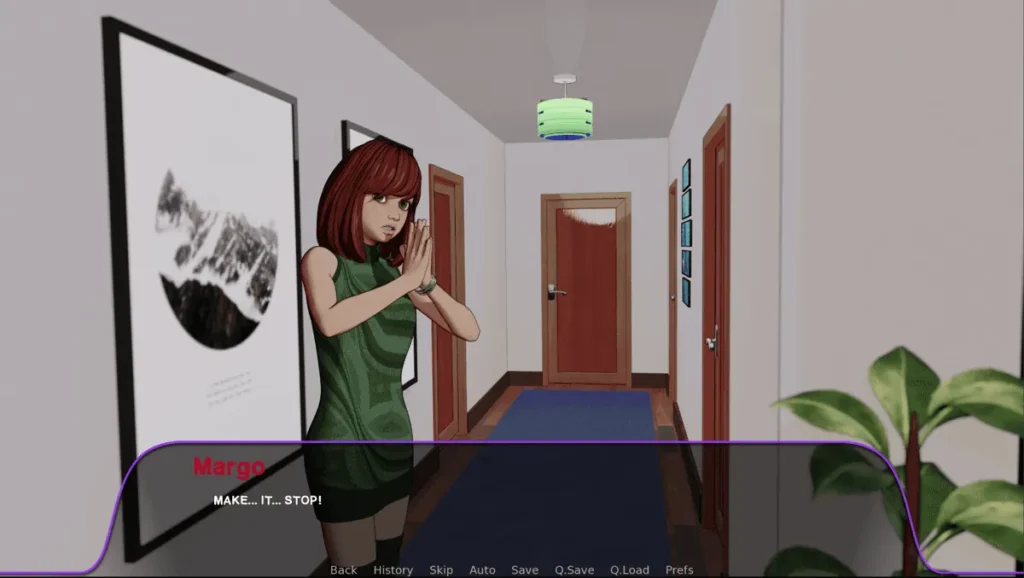


Corruption Time review
Master mechanics, strategies, and progression in this unique adult adventure experience
Corruption Time stands out as a distinctive adult-oriented adventure game that combines strategic gameplay with narrative depth. This guide explores the core mechanics, character systems, and progression pathways that define the experience. Whether you’re new to the game or looking to optimize your playthrough, understanding the fundamental systems—from character interactions to resource management—is essential for unlocking all available content and achieving your desired outcomes. This comprehensive resource breaks down everything you need to know to navigate the game effectively.
Understanding Core Gameplay Mechanics and Systems
Ever loaded up a game, been dazzled by its world, and then promptly gotten stuck because you had no clue how its core systems actually worked? 🙃 I certainly have. When I first started my journey through Corruption Time, I was so eager to dive into the story that I completely fumbled the game mechanics tutorial elements. I spent my hard-earned cash on the wrong things, missed crucial character cues, and locked myself out of a route I really wanted to see. It was a classic case of “act in haste, repent at leisure.”
But that’s why we’re here! This guide is the deep dive I wish I’d had. We’re going to strip back the layers of this unique adult adventure and look at the gears turning underneath. Mastering the Corruption Time gameplay mechanics isn’t just helpful—it’s essential for unlocking the full, rich experience the game offers. Think of it as learning the rules of a fascinating new board game; once you know them, you can start playing strategically instead of just moving pieces randomly.
So, grab a notepad (virtual or real!), and let’s break down everything you need to know about interacting with characters, managing your economy, and navigating the all-important progression routes unlocking. By the end, you’ll have a clear map for how to progress in Corruption Time efficiently and effectively.
How the Character Interaction System Works
At its heart, Corruption Time is a game about influence and relationships. The character interaction system is your primary tool, and it’s far more nuanced than just clicking through dialogue options. It’s a dance of observation, investment, and timing.
Each character you meet has a relationship meter and a corruption state. These are invisible values that track their current disposition and… susceptibility to your influence. 🎭 Your actions, choices during conversations, and especially the gifts or activities you spend money on directly affect these hidden numbers. The game won’t spell it out with a big bar on the screen; you have to pay attention to their dialogue, animations, and what new options become available.
Pro Tip from My Playthrough: Early on with one character, I kept choosing the “kind” option, thinking it was the “good” path. It turns out I was just stalling her story. It wasn’t until I mixed in more daring, suggestive dialogue that her unique route began to unlock. The game rewards boldness within its specific context.
Unlocking different stages requires a two-pronged approach: social investment and resource investment. You need to talk to them repeatedly to build rapport (this often costs in-game time), and you need to spend your Corruption Time currency earning on them. This could be buying them a drink, purchasing a specific outfit, or funding a special activity. The key is that certain actions are gated behind both relationship level and cash.
This brings us to the most critical warning in this game mechanics tutorial: Irreversible Actions. 🚫 When you finalize a character’s state at certain story junctions—often by completing a major, named interaction—their path is set. You cannot go back and try a different approach with that same save file. This makes planning absolutely vital. It’s why blindly spending all your money on the first character you meet can be a disastrous strategy.
Resource Management and Currency Systems
If the character system is the heart of the game, then the economy is its lifeblood. Corruption Time presents a classic scenario of unlimited desires met by very limited means. Your resource management guide starts with understanding the flow of cash: how to get it, and more importantly, how to spend it wisely.
Corruption Time currency earning is primarily activity-based. The game world has various locations where you can spend your in-game days to generate income. The Sanctuary, your starting hub, and the later Utopia location are central for this, but they are not the only spots. Different activities yield different payouts and sometimes have prerequisites.
Think of your daily time as a resource itself. You can only do so much before the game progresses. Do you spend the day working a lucrative job to build your bank, or do you spend it (and some cash) on advancing a character’s story? This constant trade-off is the core strategic loop.
Here’s a breakdown of common ways to fill your coffers:
| Activity / Location | Description | Approximate Earnings |
|---|---|---|
| Sanctuary Bar Work | Your initial steady job. Reliable but not high-paying. | Low to Medium |
| Utopia Elite Services | Unlocked later. High-reward tasks that often require specific character progress or items. | High |
| Special Character Requests | Completing favors or tasks for characters in the story. Often a one-time bonus. | Variable (Medium to High) |
| Exploring & Mini-Events | Random events found while navigating the world map can sometimes yield cash or valuable items. | Variable (Low to Medium) |
Spending is where your strategy is tested. Currency is consumed for:
* Character Interactions: Drinks, gifts, outfits, entry fees to special events.
* Personal Upgrades: Items that may unlock new dialogue options or increase your efficiency in certain tasks.
* Story Progression: Some gates are literal, requiring a cash payment to access a new area or event.
My personal insight? Hoarding is not a winning strategy. 💸 On my first failed run, I saved up for a “big purchase,” but in doing so, I missed multiple time-sensitive character windows. The money was useless because the opportunities had passed. It’s better to think of cash as a tool to be used deliberately each cycle to push specific story threads forward.
Progression Pathways and Route Unlocking
This is where your understanding of mechanics and resources comes together. Progression in Corruption Time is non-linear and branch-heavy. The game doesn’t have a single “win state,” but rather a series of character-specific conclusions and endings that you piece together across playthroughs.
Progression routes unlocking is dependent on a checklist of conditions. You must:
1. Reach a Minimum Relationship Threshold (through repeated conversation).
2. Complete Specific, Often Costly, Actions (buy the key item, fund the event).
3. Make Defining Choices at branching points in dialogue.
4. Finalize the State at a narrative turning point (this is the irreversible lock-in).
Routes can be exclusive. Advancing one character down a certain path might close off another character’s route entirely, or alter how they perceive you. This is the “Corruption” in the title—your actions have a spreading influence. The game world is a web, and tugging on one strand vibrates the others.
This is why the Sanctuary and Utopia are so crucial. They aren’t just places to earn money; they are intelligence hubs. 👥 Conversations with non-romantic characters here can give you hints about what a main character might like or what their current situation is. Paying attention to this ambient storytelling can save you hours of trial and error.
So, how to progress in Corruption Time without driving yourself mad? You need a plan. Based on my experiences of both success and abject failure, here is a step-by-step checklist for new players to follow an optimal early-game sequence:
- The Reconnaissance Phase: Spend your first few in-game days talking to everyone and visiting every available location. Don’t spend big money yet. Just listen.
- Pick a Primary Focus: Choose one, maybe two, characters whose initial story hooks interest you the most. You cannot effectively pursue everyone on a single run.
- Align Earnings with Goals: Look at your focus characters. What expensive things do they seem to want? Now, tailor your Corruption Time currency earning activities to meet those financial goals. Need a lot of cash fast? You might need to prioritize unlocking a better-paying job.
- Budget Rigorously: Allocate your daily time and cash. For example: “Monday-Wednesday: Work at high-yield job. Thursday: Spend $X on Character A’s gift. Friday: Use gift to advance conversation.”
- Save Before Major Milestones: Before any big, named story event or expensive purchase, create a new save file. This is your insurance policy against irreversible actions you might regret.
- Embrace Subsequent Playthroughs: Your first run is a learning experience. Use what you now know about the character interaction system and world to pursue a completely different path on your next save.
Mastering Corruption Time gameplay mechanics is about embracing its constraints. The limited time, the finite cash, and the permanent choices are what make your journey feel unique and consequential. It’s not a game you merely watch; it’s a game you architect, one deliberate decision at a time. Now that you understand the systems, you’re ready to move from being a passive participant to the active architect of your own unique, and delightfully corrupt, narrative. Happy plotting! 😉
Corruption Time offers a complex gameplay experience that rewards careful planning and strategic decision-making. Understanding the core mechanics—from character interactions and resource management to progression pathways and irreversible choices—is essential for maximizing your enjoyment and unlocking all available content. The game’s design emphasizes the importance of completing all available actions before finalizing character relationships, making it crucial to plan your progression thoughtfully. By following the strategies and guidelines outlined in this guide, you can navigate the game’s systems effectively, avoid common pitfalls, and experience everything the game has to offer. Whether you’re pursuing specific character routes or aiming to unlock all content, approaching the game with a clear strategy will enhance your overall experience and ensure you don’t miss valuable opportunities.