
City of Broken Dreamers
Play City of Broken Dreamers
City of Broken Dreamers Screenshots
















City of Broken Dreamers review
Explore the story, gameplay mechanics, and character relationships in this acclaimed interactive experience
City of Broken Dreamers stands out as a narrative-driven interactive experience that combines compelling storytelling with immersive gameplay mechanics. Players assume the role of Ghost, an elite bounty hunter navigating a complex world filled with moral choices and character-driven narratives. This guide explores the game’s core mechanics, character relationship systems, story elements, and what makes it a standout title in its genre. Whether you’re interested in understanding the gameplay depth or the narrative structure, this comprehensive overview covers everything you need to know about this acclaimed interactive experience.
Gameplay Mechanics & Core Systems
Ever played one of those games where you’re promised your choices matter, only to find out you’re just picking the color of the explosion at the end? 😤 It can feel like the game is just humoring you, right? Well, let me tell you about the first time I played City of Broken Dreamers and realized I’d been lied to my whole gaming life. I made a sarcastic comment to a key character early on, thinking it was just a bit of flavor text. Two chapters later, that same character refused to help me in a critical firefight, citing my “attitude problem.” My jaw hit the floor. That’s the moment I knew the City of Broken Dreamers gameplay mechanics weren’t just for show—they were the very heart of the experience.
This isn’t a game you just watch; it’s a world you actively shape with every word and action. The magic lies under the hood, in systems that track everything from trust to desire to simmering resentment. If you want to truly master this cyberpunk saga, you need to understand its core systems. Let’s dive into the brilliant, interconnected machinery that makes City of Broken Dreamers a benchmark for interactive character relationships and player agency.
Character Relationship & Interaction System
Forget simple “like/dislike” meters. The character relationship system in City of Broken Dreamers is a nuanced, multi-layered simulation of human connection (and friction) in a world that’s forgotten how to care. 🧠💔 Each major character has two primary, independent values tracked behind the scenes: their Score and their Lust value. Think of them as separate dials you’re constantly tweaking through your behavior.
The Score is the foundation of your genuine relationship. It represents trust, respect, and camaraderie. A high Score with someone like the stoic mercenary, Ellen, means she sees you as a reliable partner-in-arms. This unlocks crucial plot assistance, loyal dialogue, and paths where characters stick their neck out for you. On the flip side, a low Score might mean they abandon you when things get tough or even become an outright antagonist.
The Lust value tracks romantic or physical tension. It’s entirely possible to have a high Lust value but a rock-bottom Score with a character—you might share a physically intimate scene, but they’ll dismiss your opinions and offer no real loyalty afterward. It’s a stark, realistic reflection of how attraction and trust don’t always go hand-in-hand. The game’s branching dialogue system is the primary tool for navigating this. Options aren’t just “Nice,” “Neutral,” and “Mean.” They are “Professional,” “Flirtatious,” “Cynical,” “Supportive,” or “Aggressive,” each applying different weights to those hidden scores.
The genius is in the exclusivity. Pursuing a deep connection with one character often closes off or alters the path with another. The game respects the complexity of its characters; they have their own histories, jealousies, and moral lines. You can’t max out every relationship in a single playthrough, making each journey uniquely personal. This creates incredibly emotional gameplay dynamics, as you’re forced to make choices that reflect who your version of the protagonist, Philip, truly wants to be and connect with.
Here’s a quick breakdown of how these two core stats typically influence your interactions:
| Character | High Score Unlocks | High Lust Value Unlocks | Key Dialogue Tone |
|---|---|---|---|
| Ellen (Mercenary) | Combat support, key intel, loyal story path. | Intimate scenes, personal vulnerability. | Professional, Supportive, Honest. |
| Chandra (Tech Specialist) | Essential hacking help, hidden location access. | Romantic scenes, personal backstory details. | Curious, Flirtatious, Admiring. |
| Victoria (Corporate Heir) | Corporate resources, political leverage. | Scenes exploring power dynamics. | Charming, Calculated, Ambitious. |
| Katie (Fellow Dreamer) | Protection, crucial narrative revelations. | Scenes of emotional comfort and connection. | Protective, Sincere, Gentle. |
😲 As you can see, the “rewards” are not just scenes, but tangible gameplay and narrative advantages. This table simplifies it, but in practice, the interplay is constant. A flirtatious line might raise Lust but do nothing for Score, while a piece of hard-earned advice might boost Score significantly. It’s a constant, engaging puzzle.
Hidden Stats & Emotional Dynamics
If the Relationship and Lust scores are the visible gears, then the hidden stats game mechanics are the delicate clockwork springs driving them. 🕰️ The most pivotal of these is the Anger system. This isn’t a generic “anger” meter for the world; it’s a specific, secret value attached to you, the player character, Philip.
Your hidden Anger stat builds up quietly based on your choices. Being repeatedly disrespected, failing to protect someone, or choosing aggressively violent solutions all feed this inner tension. The game doesn’t announce it with a pop-up; it simulates the slow boil of frustration. Then, at key narrative junctures, it erupts. The game will present you with dialogue choices, and one option—often raw, aggressive, or brutally honest—will be tagged or slightly colored, indicating it’s influenced by your high Anger.
I learned this the hard way. In one playthrough, I took a lot of corporate bullying and failed a stealth mission. Later, in a tense negotiation, a dialogue option appeared that I hadn’t even considered: a threat so vicious it immediately made the situation worse. That was my Anger stat taking the wheel for a second. It’s a masterstroke in emotional gameplay dynamics, making your own emotional state a mechanic. It asks, “How much can Philip take before he snaps?”
This system dovetails perfectly with character relationships. A character with a high Score might react to an Anger-driven outburst with concern, trying to calm you down. A character with a low Score might use it as proof you’re unstable. Your Lust-driven relationships might fracture entirely if your anger manifests as cruelty. It ensures that your interactive character relationships are responsive to your overall behavioral pattern, not just the direct words you say to them.
Pro Tip: Your character’s name, “Phillip,” is often used by others. Pay close attention to who uses it and when. In moments of high Score, it can sound like concern. In moments of high tension or low relationship status, it can feel like a cold dismissal. It’s a tiny detail that speaks volumes about the current emotional gameplay dynamics.
Choice-Based Narrative Structure
This is where all the systems fuse into one incredible, living story. The choice-based narrative in City of Broken Dreamers is the antithesis of the illusion of choice. There is no “Paragon” or “Renegade” bar to fill. Every decision exists in a web of cause and effect, where consequences are delayed, nuanced, and often heartbreakingly realistic. 🔗🎭
The narrative branches not like a tree with a few big forks, but like a sprawling, dense neural network. A small act of kindness in Chapter 2 might give you a unique piece of evidence in Chapter 8. A withheld secret might allow a character to trust you later when it counts most. The game constantly autosaves, locking you into your decisions—there’s no quick-scumming without losing huge chunks of progress. This forces authenticity and makes every click feel weighty.
Let’s look at a concrete example from my own experience to see this choice-based narrative in action:
The Situation: Early in the game, you find the tech expert, Chandra, being harassed by a group of lowlifes.
* Choice A (Aggressive): Immediately draw your weapon and threaten the harassers. You win the confrontation quickly.
* Choice B (Diplomatic): Talk your way through, using wit and bluff to defuse the situation without violence.
* Choice C (Observant): Hang back and listen first, gathering information before intervening.
I picked Choice C on my second playthrough. By listening, I learned one of the harassers had a sick sister, making him desperate. This unlocked a new, third option when I finally stepped in: I could appeal to that specific thug’s humanity, offering a small credit chip instead of threats. This not only ended the conflict but gave me a unique “Street Cred” notation in my log.
The Ripple Effect: Later, when I needed to get information from a guarded club, that same former thug was working the door. Because of our past interaction (which the game remembered!), he vouched for me, granting me seamless access. This route also gave Chandra a unique impression of me—not as a brute or a smooth talker, but as someone perceptive and strategically compassionate. This directly boosted my Score with her more than the other options would have, unlocking a unique dialogue branch about her past in a later chapter that wasn’t available before.
This example shows how the City of Broken Dreamers gameplay mechanics work in concert. A narrative choice (how to handle a scene) directly altered a hidden variable (Street Cred), which later unlocked a gameplay advantage (bypassing a challenge), which simultaneously deepened a character relationship system and opened new story content. Nothing is wasted. Every action is a pebble tossed into the pond of Night City, and the ripples always return to shore.
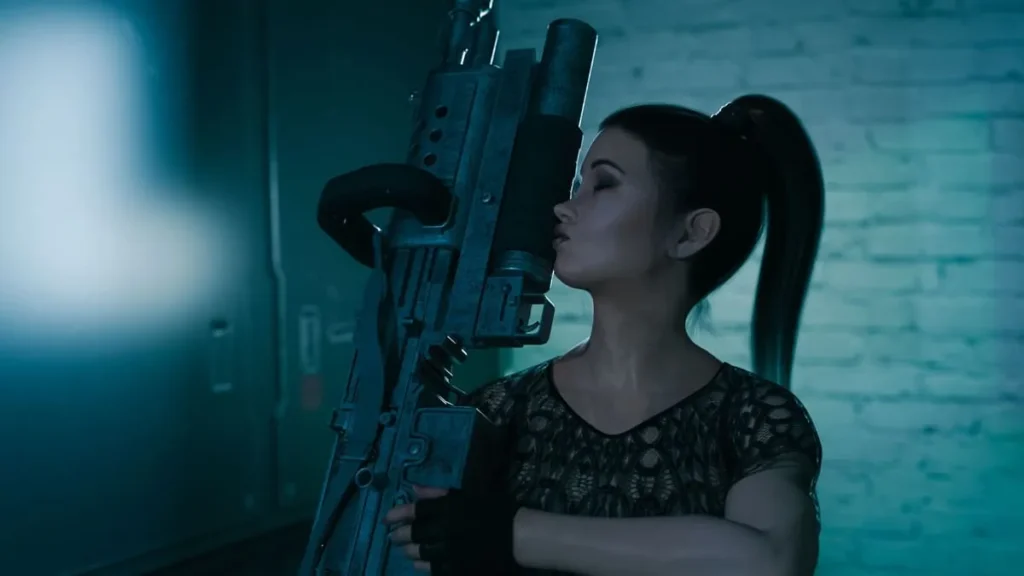
The stunning visual presentation and character design are the final, crucial layer supporting these mechanics. Every glance, smirk, and furrowed brow in the meticulously crafted 3D renders sells the emotional weight of your choices. You can see the trust or suspicion in a character’s eyes change based on your last interaction, making the interactive character relationships viscerally believable.
Mastering City of Broken Dreamers isn’t about finding a “winning” path. It’s about understanding that the systems are there to faithfully translate your unique personality and priorities into a dynamic, responsive world. Embrace the complexity of its hidden stats game mechanics, lean into the delicate dance of its branching dialogue system, and don’t be afraid to let your Philip get angry, fall in love, or make a noble sacrifice. The game will remember, and it will make sure your journey through its broken, beautiful world is one-of-a-kind. Your dream, your rules. 😎✨
City of Broken Dreamers delivers a compelling experience that successfully balances engaging storytelling with sophisticated gameplay mechanics. The game’s strength lies in its character-driven narrative where player choices meaningfully impact relationships and story outcomes through its relationship scoring and hidden stat systems. The visual presentation, from detailed character design to carefully crafted environments, creates an immersive world that supports the emotional depth of character interactions. Whether you’re drawn to the intricate narrative structure, the branching dialogue system, or the technical quality of the presentation, City of Broken Dreamers offers substantial content that rewards player engagement and exploration. For those seeking a narrative-focused interactive experience with meaningful character relationships and polished presentation, this game represents a notable entry in its category.